
News
The New Patriotic Party’s Prempeh: Akufo Addo Outperforms Osagyefo Dr. Kwame Nkrumah

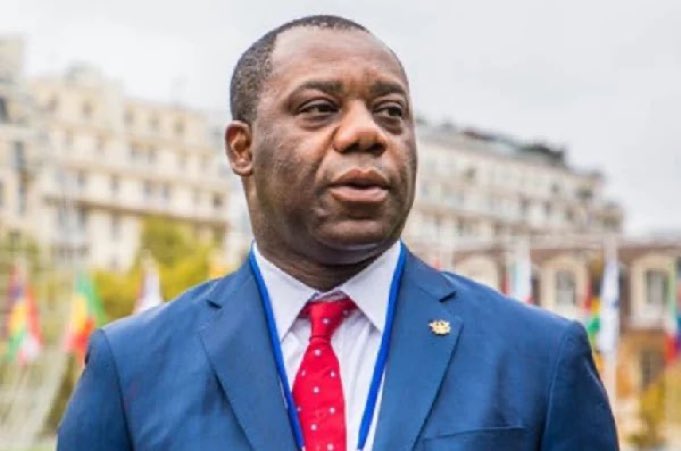
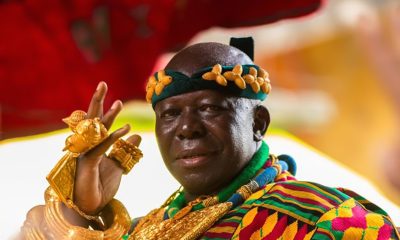
Tuesday 9th July, 2024, the day finally came for Dr. Matthew Opoku Prempeh, the running mate of the New Patriotic Party’s (NPP) flagbearer, Dr. Mahamudu Bawumia, to be formally presented to His Majesty Otumfuo Osei Tutu II, the Asantehene, at the historic Manhyia Palace in Kumasi.
The occasion was graced with beautiful ambience and the well known rich culture of the Ashanti’s with prominent dignitaries in the ruling New Patriotic Party all present.
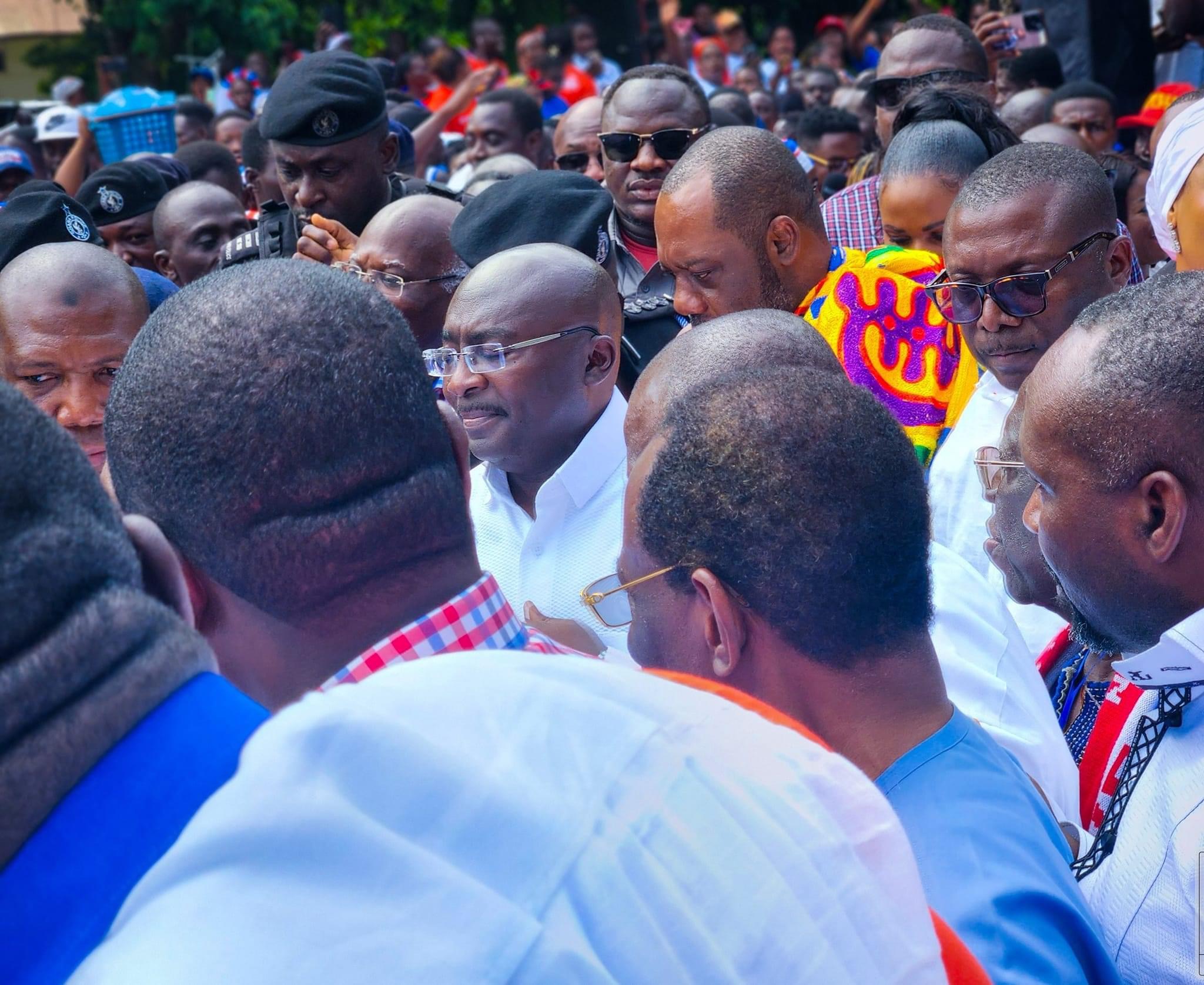
During the ceremonial introduction, President Nana Addo Dankwa Akufo-Addo lauded the exceptional qualities of Dr. Bawumia and NAPO, expressing unwavering confidence in their ability to lead the NPP to victory in the upcoming 2024 general elections.
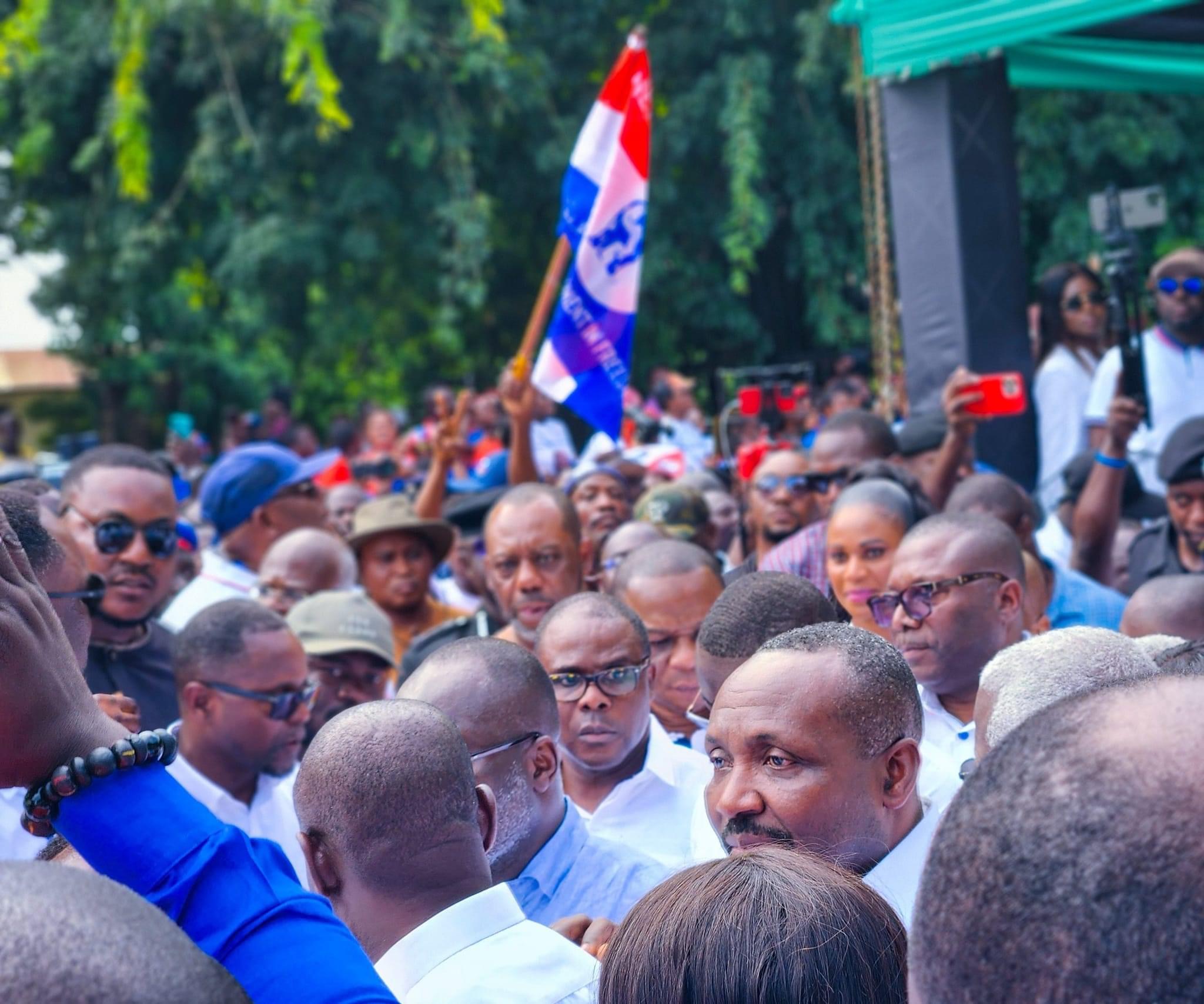
He particularly praised Dr. Bawumia for his significant contributions during his tenure, emphasizing his humility, dedication, and commitment to national progress.
“Otumfuo, Dr Bawumia decided to select from your own house, your grandson, NAPO who is the MP for Manhyia South and he’s also a minister, he’s the one Dr Bawumia introduced him to the national council, and they all unanimously agreed to be the running mate of Bawumia.
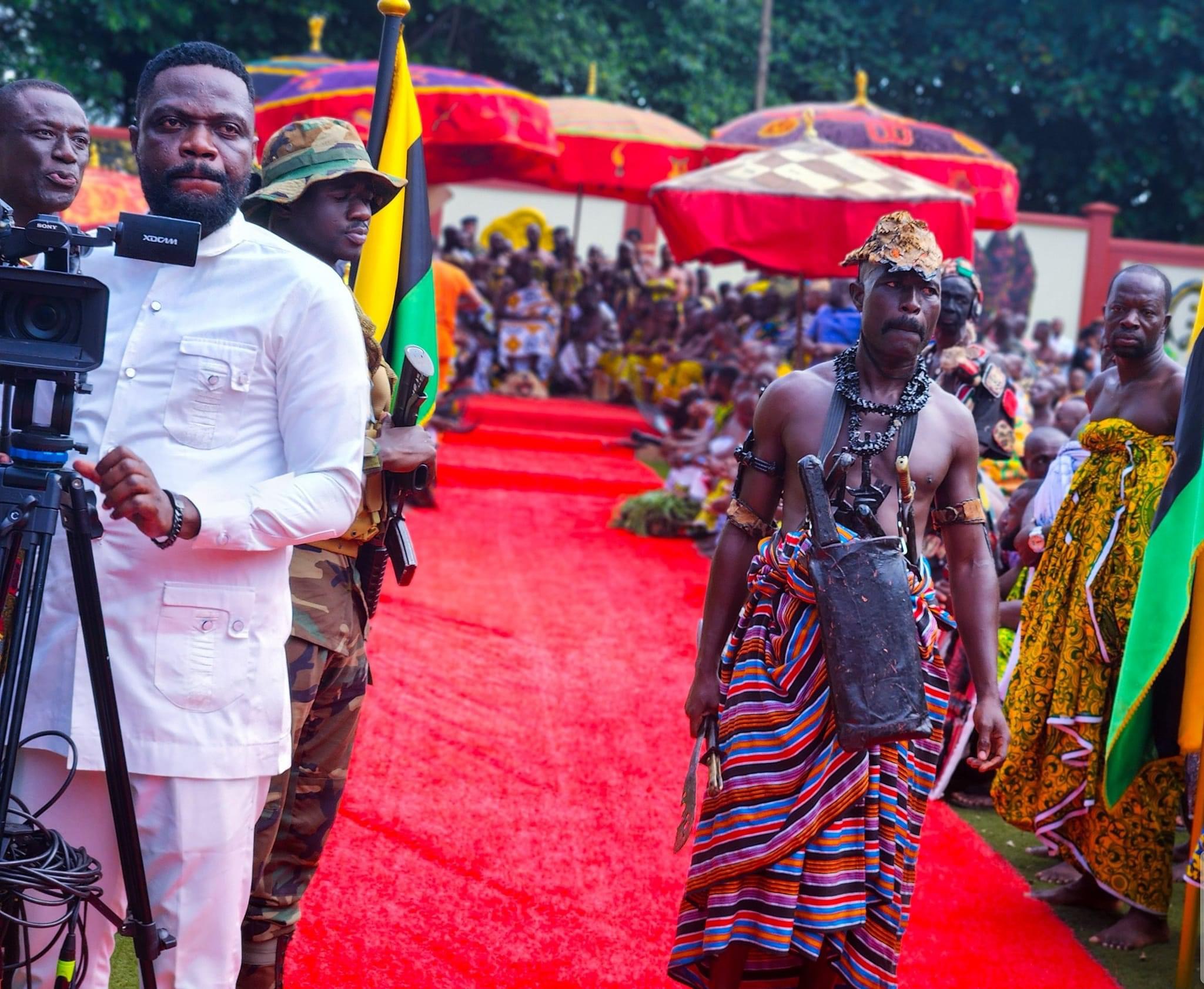
The Asantehene, Otumfuo Osei Tutu II, had strong words of caution for the vice-presidential candidate of the New Patriotic Party (NPP), Dr. Matthew Opoku Prempeh (NAPO), when he was presented to him on Tuesday, July 9, 2024, of which some key ones selected out of the many.
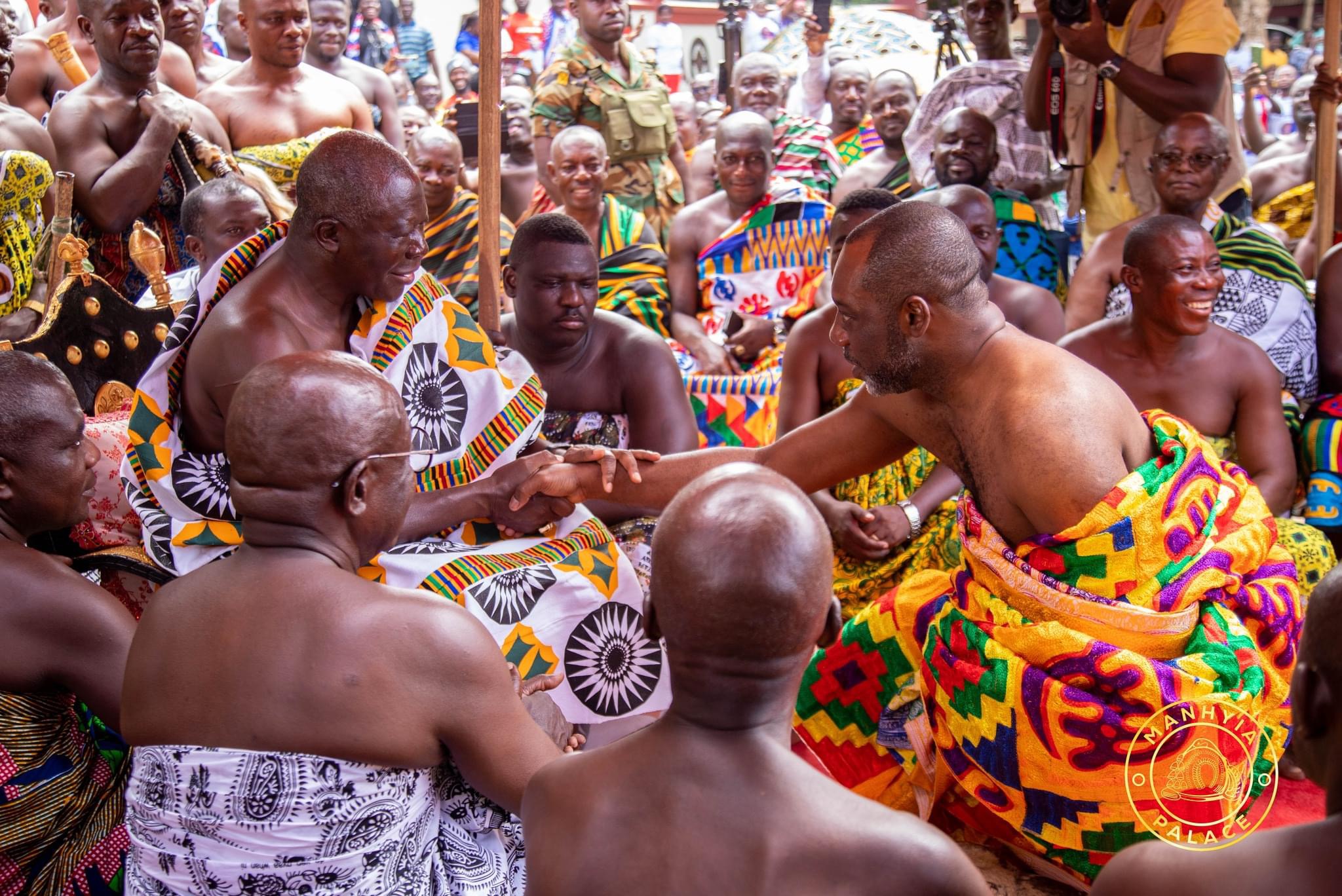
- You are not arrogant, so don’t let what people say be true – Otumfuo to NAPO
- Vice President, Bawumia, saw the good work of Napo and appointed him as Running Mate – Asantehene, Otumfuo Osei Tutu II.
- Matthew Opoku Prempeh [Napo] is my son and we trained him here. I even paid his school fees for him – Asantehene, Otumfuo Osei Tutu II.
- Go and humble yourself to Bawumia – Asantehene, Otumfuo Osei Tutu II advises NAPO.
- Don’t let Dr. Bawumia regret his decision – Asantehene, Otumfuo Osei Tutu advises Matthew Opoku Prempeh.
The NAPO’s Persona Before His Official Introduction
Having served as a minister of education and also holding the office of energy minister he might be in the known for his utterances and act of public speaking. But one thing that resonated not only from the opposition National Democratic Congress (NDC) but most of Ghanaians about him was his level of arrogance.
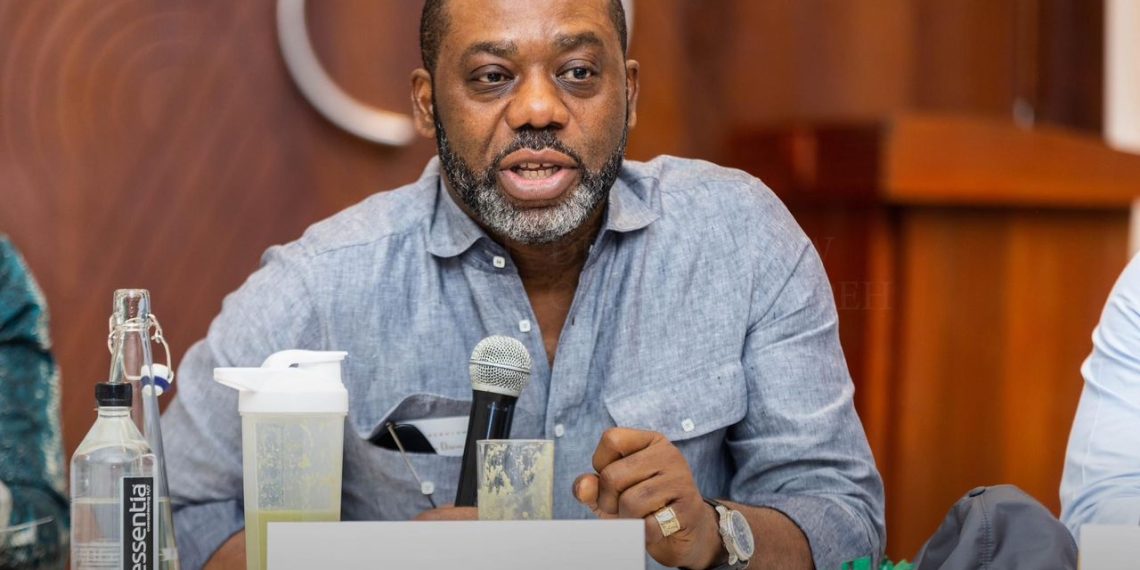
How long can the ordinary Ghanaian be taken for granted. Imagine an energy minister being asked about erractic power outage crises and the need for a time table released for load shedding so we can be on guard and In his response: The Minister of Energy, Dr. Matthew Opoku Prempeh, suggested that those asking for a timetable for the erratic power outages ongoing in the country should provide it themselves. Wow! Just like that. A public figure and a government official elected by the people? Speaking to Ghanaians and same people who put Him there?
All the odds were against Him now.
In an article published on Citinewsroom written by William Narh on 5th July, 2024 with headline:
Keep NAPO’s public speeches scripted- Political Historian warns NPP
A Political Historian from the Political Science Department at the Kwame Nkrumah University of Science and Technology (KNUST), Professor Samuel Adu Gyamfi, has advised the New Patriotic Party (NPP) to ensure that Dr. Matthew Opoku Prempeh, the party’s running mate, refrains from making unscripted public utterances and speeches.
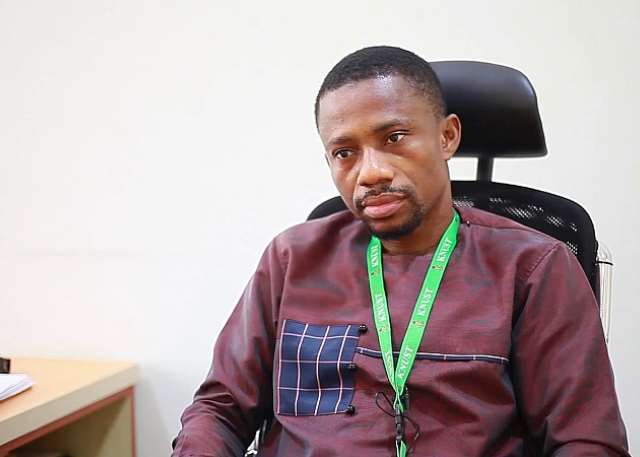
According to Prof. Adu Gyamfi, this recommendation is due to NAPO’s strong personality, which may become overly apparent in public settings.
In an interview on Eyewitness News on Thursday, July 4, Prof. Adu Gyamfi emphasised that while Dr. Opoku Prempeh brings a wealth of experience to the Bawumia ticket, it is crucial for the party, especially his handlers, to ensure that he does not speak extemporaneously in public.
“I am of the view that in terms of public engagement when he is to deliver a speech or on a campaign platform, I will suggest that he does not speak extempore, and further, as I appeal, he should not speak off the cuff.
“I am of the view that the political handlers, marketers, and experts in speeches and those who are going to write those speeches for him must prepare him with a lower tone because he has a strong personality and charisma to be able to communicate with a party voice and in a way to also be quite humane.
“So, his speech should have a tone that is polite, respectful, cuts across, and has a certain soberness within the sphere,” he stated. https://citinewsroom.com/2024/07/keep-napos-public-speeches-scripted-political-historian-warns-npp/#google_vignette
Did all this not justify his arrogance?
NAPO’s First Speech During Outdooring
First of all he might have forgotten that podium given to him was to speak to the whole of Ghanaians and not just NPP faithfuls gathered at Kumasi Jubilee Grounds. Or maybe the script writter wanted to him to prove to the many Ghanaians that he actually could do it without a script.
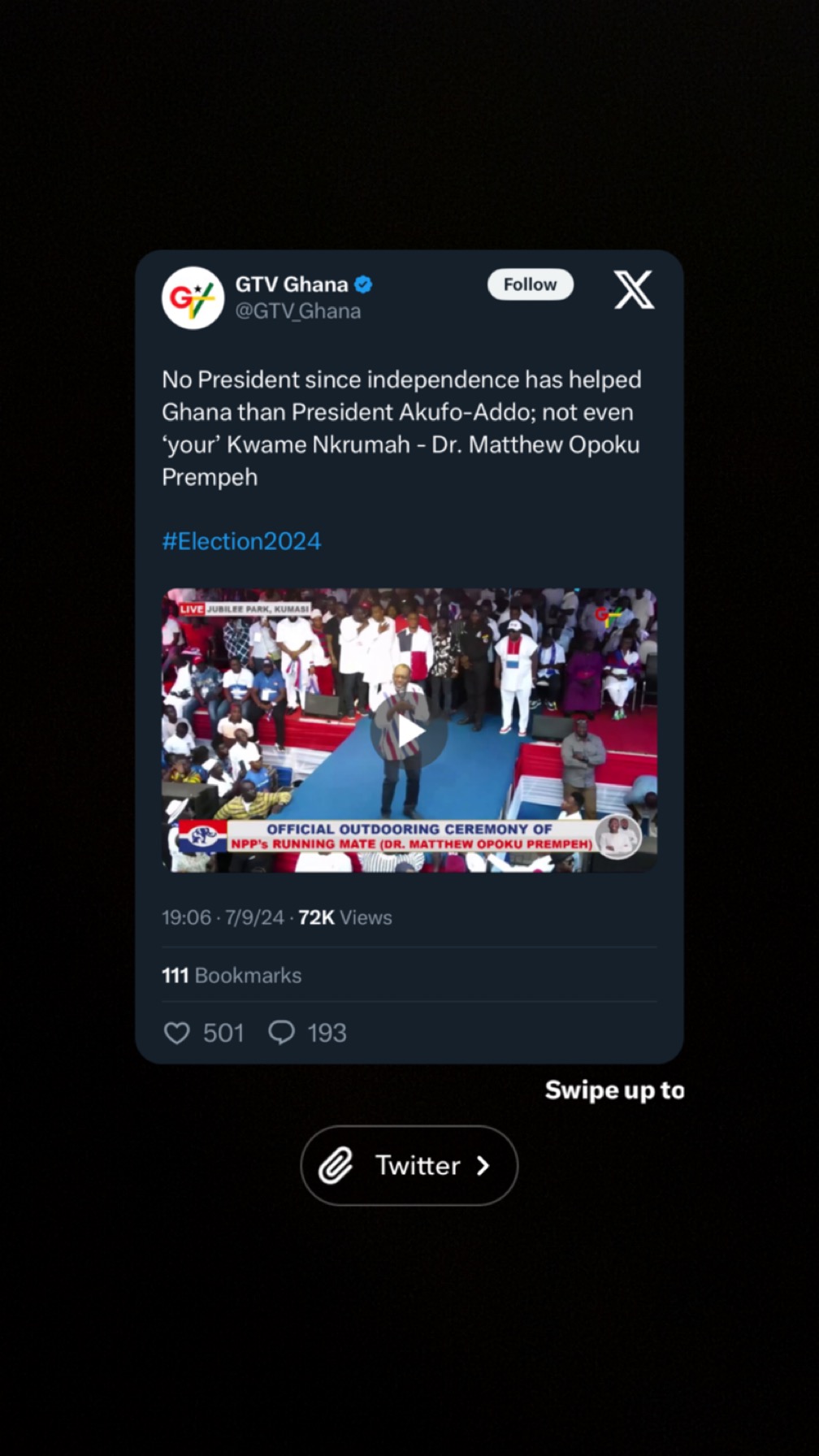
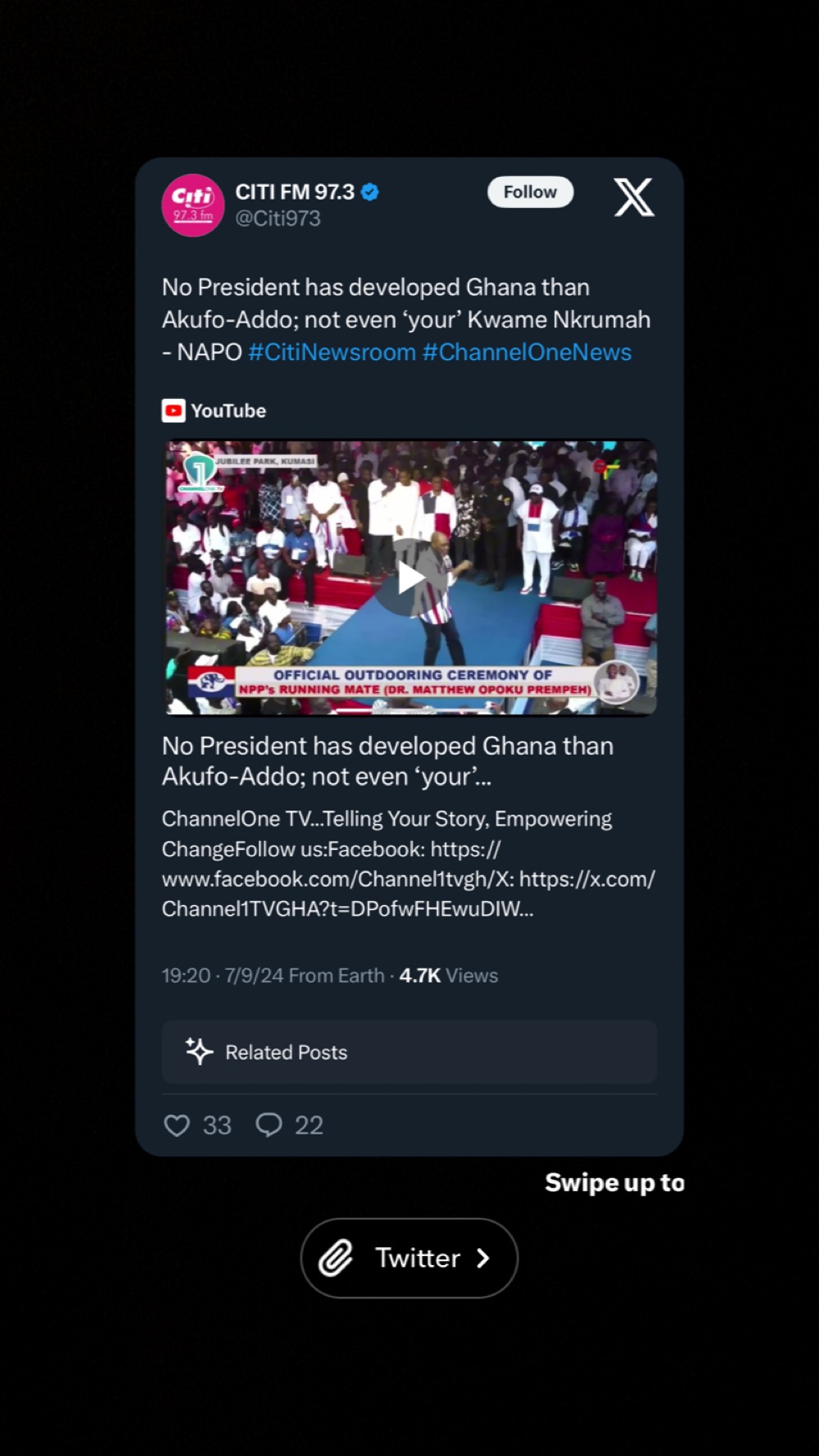
You had just one job!
Give an outstanding outdooring speech to whip up the NPP base, pique the interest of undecided voters and ultimately, sound like a man worthy of being called a statesman in the future and you messed it up big time! You could have praised Nana Addo without mentioning Kwame Nkrumah not to talk of even referring to him as ‘our Kwame Nkrumah’..what does ‘your Kwame Nkrumah’ mean? Sounds very divisive to me..Napo, you goof big time! There was nothing strategic about that speech.
Afrer this, ace journalist Kafui Dey took to X to ask a big question.
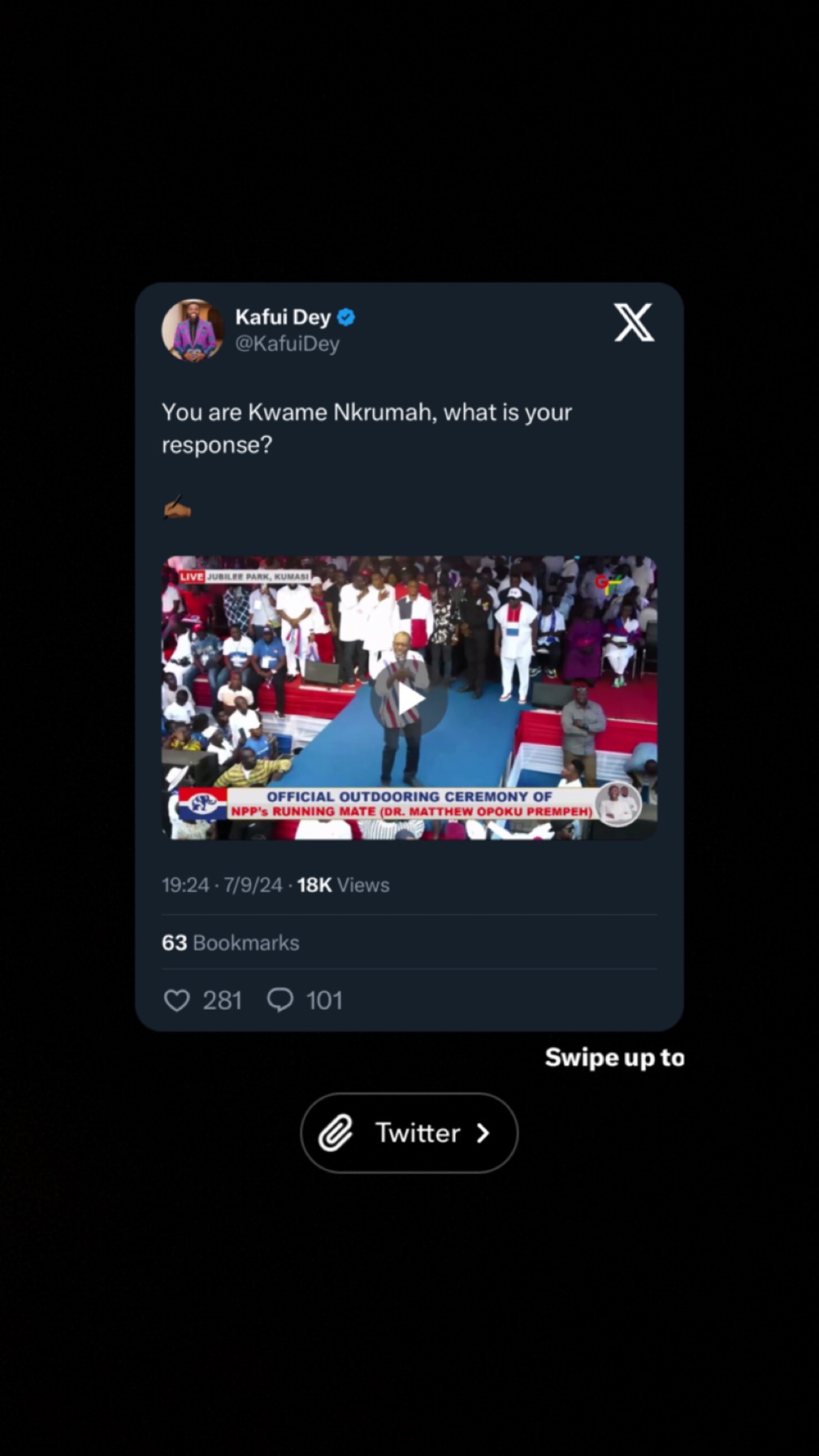
You are Kwame Nkrumah, what is your response?
Answers as quoted: with response of 500+
“That your kwame Nkrumah” .. this man should apologize for insulting the intelligence of Ghanaians and insulting Nkrumah legacy
“Whoever is coaching NAPO has got a big job to do. De loose talk be too much…asɛ he lacks basic home training bi saa no.”
“The arrogance and the impudence. Since I was born, I have not seen a worse administration than this NPP government, yet they are filled with pride and arrogance, ignoring the plight of Ghanaians.”
“This, to our jubilee house, can’t imagine. We’ll witness Kenya in Ghana within 6 months.”
“Kwame Nkrumah shaking in his grave. Only posterity will judge”
“God,
Oh Lord Almighty,
We beg you in the name of Jesus Christ, don’t let us witness this character in the Flagstaff House as the next Vice-President.
The combination of Bawumia and Napo would be a disaster”
“Kwame Nkrumah wouldn’t say anything. He will smile. The guy doesn’t know he is talking about. He can never get close to Nkrumah. Eeiii hating on Nkrumah even in his grave? Nkrumah lives forever”
“I think Asantehene will be the most disappointed soul in all of this. It’s only this afternoon that he told the world that he’s given him some advice indoors and now see arrogance of a speech. It’s pathetic these poeple want power.”
“Typical of most Ghanaians. They speak without reference to tangible facts, figures n comparative analysis to back their claim, while the media will not also ask them to provide evidence either. Everything is vibes n blind arguments, n u wonder where Ghana is currently.”
“Am really disappointed in manhyia. This guy has disgrace Otumfuo.”
Kwame Nkrumah’s once said “As far as i am concerned, i am in the knowledge that death can never extinguish the torch which i have lit in Ghana and Africa. Long after i am dead and gone, the light will continue to burn and be borne aloft, giving light and guidance to all people”


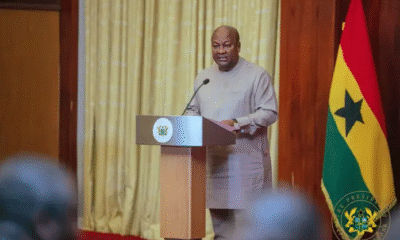


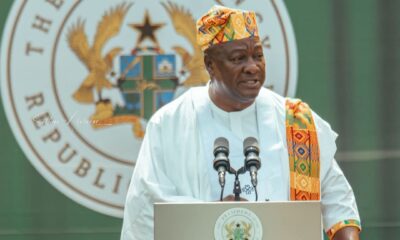


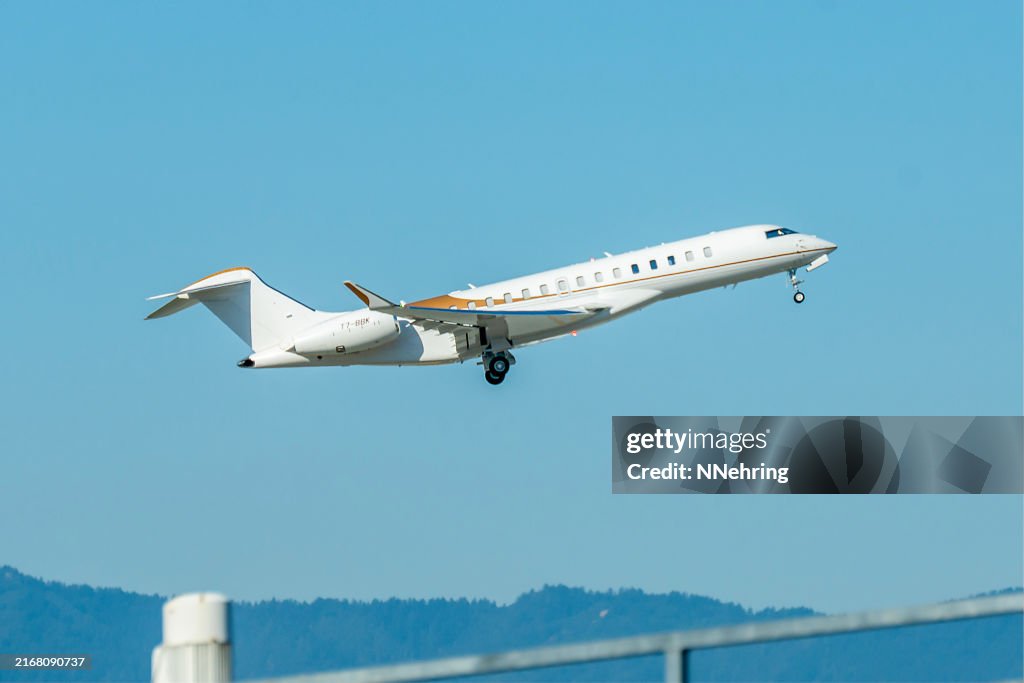
President John Dramani Mahama’s recent official trip to Seoul, South Korea, has ignited widespread public and political debate in Ghana. The controversy centers on his use of a private jet owned by his younger brother, prominent businessman Ibrahim Mahama, rather than a commercial flight or the state’s aircraft.
Background of the Trip
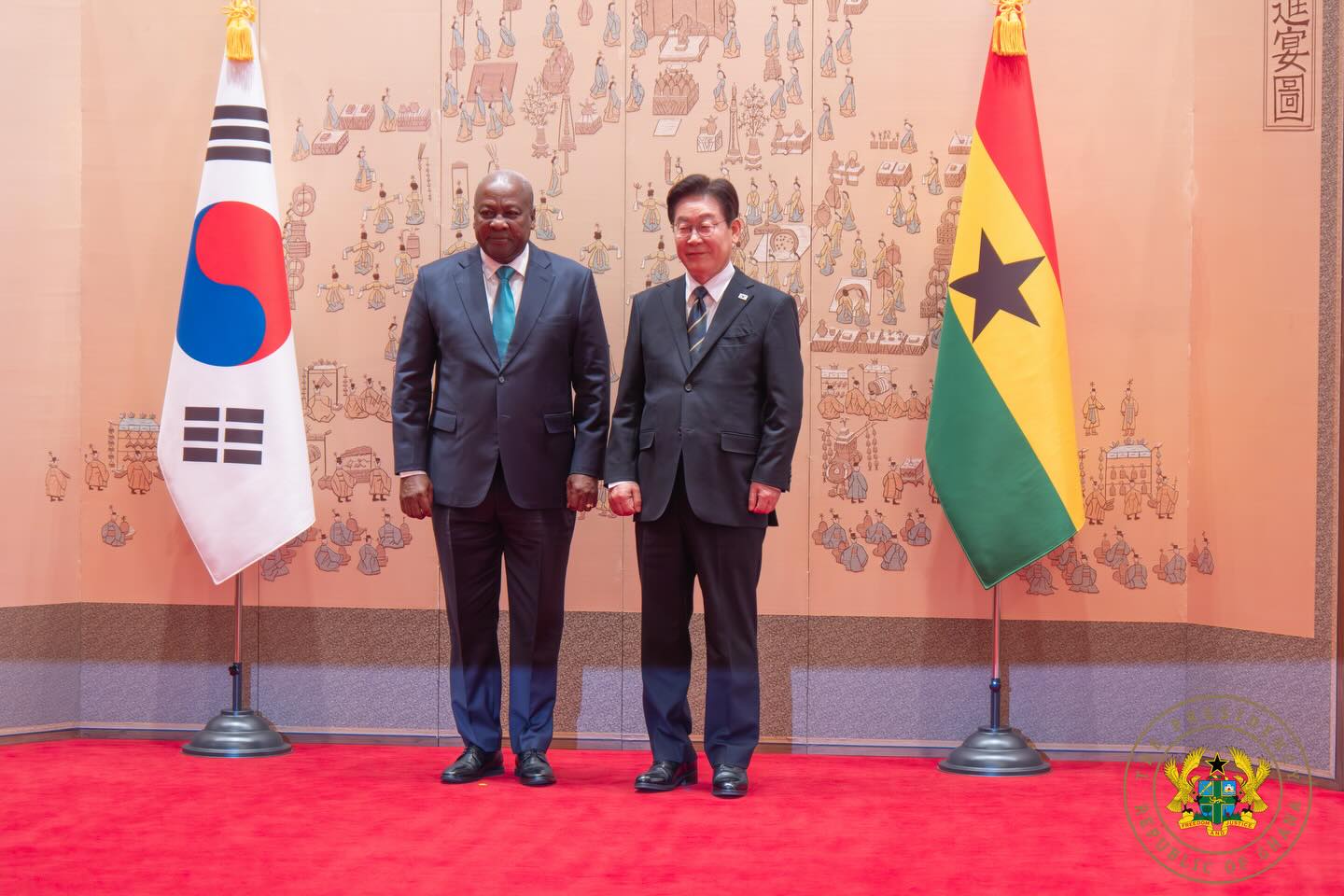 President Mahama traveled to South Korea in early March 2026 to strengthen bilateral ties between the two nations. The visit included high-level discussions with South Korean leadership, signing memoranda of understanding (MoUs), and participation in a ceremony at Hyundai Heavy Industries where a vessel was renamed in honor of Ghana (reported as “Asharami Ghana”).
The trip was described as historic in some reports, aimed at boosting economic and diplomatic relations. South Korea has emerged as a key partner for Ghana in areas like infrastructure, trade, and potentially visa arrangements.
Upon arrival in Seoul, visuals circulated online showing the President disembarking from a Bombardier Global 6500 private jet branded “Dzata.” This aircraft, valued at around $70 million and newly acquired, belongs to Ibrahim Mahama, one of West Africa’s leading entrepreneurs with interests in mining, construction, agriculture, and other sectors.
The Controversy Unfolds
The revelation sparked immediate backlash, particularly from opposition figures in the New Patriotic Party (NPP). Critics argued that using a family member’s private jet for official state travel raises serious concerns about:
-
- Conflict of interest — A close relative providing such a resource could imply undue influence or favoritism.
-
- Breach of ethics — Some, including the MP for Walewale, Abdul Kabiru Tiah Mahama, claimed it violates the Code of Conduct for public officials, which the President himself has promoted. They suggested he should have opted for commercial flights to avoid any perception of impropriety.
-
- Transparency and cost to taxpayers — Questions arose about whether any indirect benefits accrue to the President’s family or if state funds subtly cover related expenses beyond what’s disclosed.
Public reactions, captured in vox pops and social media, were divided. Some Ghanaians saw nothing wrong with a president borrowing from family, comparing it to everyday use of relatives’ resources. Others demanded accountability, labeling it hypocritical or extravagant amid economic challenges. Legal and governance experts weighed in. Lawyer Kofi Bentil argued it was inappropriate for official duties. Civil society voices called for probes into potential hidden costs.
Government and Supporters’ Defense
The Presidency and allies pushed back strongly. Key points include:
-
- Cost savings — Government Communications Minister Felix Ofosu Kwakye clarified that the state only covers fuel and landing fees—no rental or charter costs are paid to Ibrahim Mahama. This avoids the high expense of hiring a commercial private jet for long-haul flights.
-
- Practical necessity — Ghana’s official presidential aircraft, the Dassault Falcon 900, lacks the range for non-stop travel to East Asia and requires multiple refueling stops, making it inefficient. The Falcon has faced maintenance issues in the past.
-
- No violation — Supporters, including some NDC figures like Inusah Fuseini, maintained there’s nothing inherently wrong with family assistance if transparent and cost-effective. Executive Secretary Dr. Callistus Mahama and others emphasized openness in the arrangement.
-
- Precedent and context — Private resources have been used before for presidential travel when state assets are unavailable.
The government has indicated plans to acquire a more suitable dedicated presidential aircraft by late 2026 to address long-term logistics.
Broader Implications
This episode highlights ongoing tensions in Ghanaian politics around family influence, public resource use, and perceptions of elite privilege. While the President’s trip achieved diplomatic gains—including progress toward visa waivers and economic partnerships—the jet controversy overshadowed these outcomes in domestic discourse.
As debates continue on social media, talk shows, and in Parliament, the incident underscores the scrutiny presidents face in balancing practical governance needs with ethical optics. Whether it leads to formal inquiries or fades as partisan noise remains to be seen, but it has reignited conversations about transparency in high office.
For many Ghanaians, the core question persists: Is family support a pragmatic solution or a slippery slope? The answer may shape public trust in leadership for years to come.
News
Ghana declares March 20 and 23 as public holidays to mark Eid-Ul-Fitr
Government declares Friday, 20th March and Monday, 23rd March as public holidays for Eid-ul-Fitr celebration.
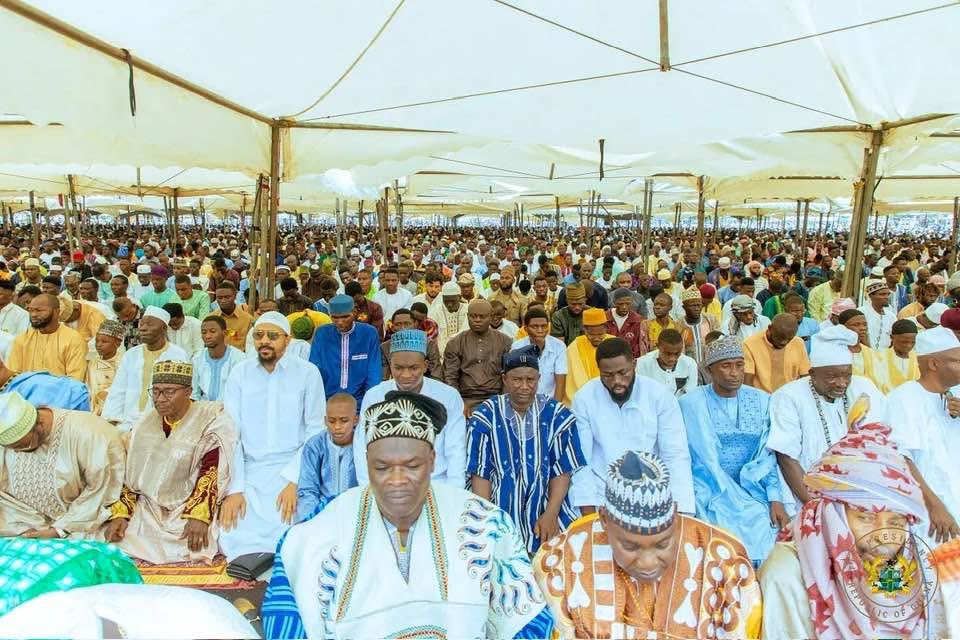
The Government of Ghana has officially declared Friday, March 20, 2026, and Monday, March 23, 2026, as public holidays to mark Eid-ul-Fitr (also known as Eid al-Fitr) and related observances.
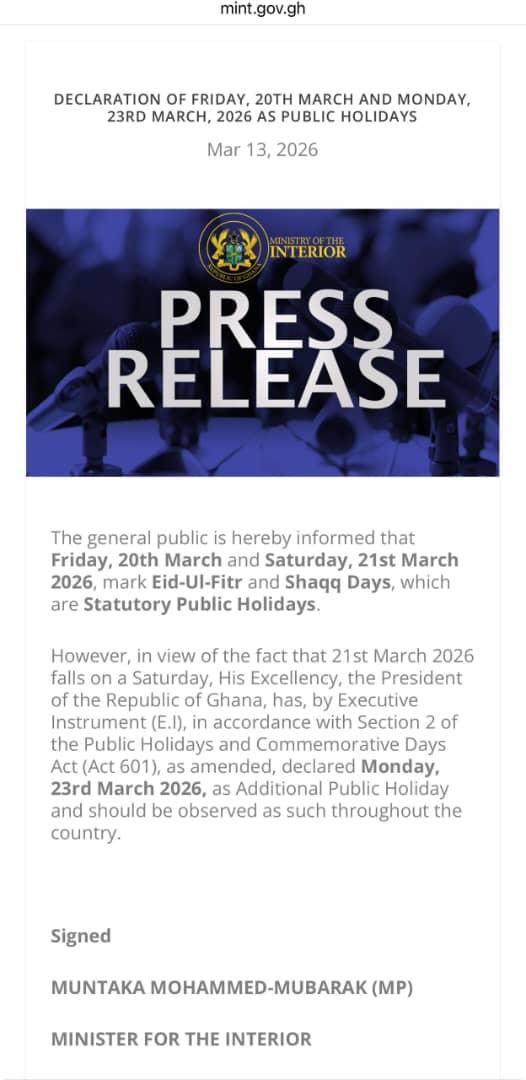
Government declares Friday, 20th March and Monday, 23rd March as public holidays for Eid-ul-Fitr celebration
According to announcements from the Ministry of the Interior (issued on March 13, 2026):
What you need to know
- Friday, March 20, 2026, is a statutory public holiday for Eid-ul-Fitr, marking the end of Ramadan.
- Saturday, March 21, 2026, is recognized as Shaqq Day (the day after Eid-ul-Fitr, a statutory holiday introduced in recent years to allow extended celebration and reflection for the Muslim community).
- Since March 21 falls on a Saturday (a non-working day for many), President John Dramani Mahama issued an Executive Instrument under the Public Holidays and Commemorative Days Act (Act 601, as amended) to declare Monday, March 23, 2026, as an additional public holiday.
This creates a long weekend for celebrations, with schools, government offices, and most businesses closed on those days.
The dates were confirmed following the expected moon sighting for the end of Ramadan, aligning with 1 Shawwal 1447 AH.
Eid Mubarak to all celebrating in Ghana and beyond! Enjoy the festivities, family gatherings, prayers, and special meals.
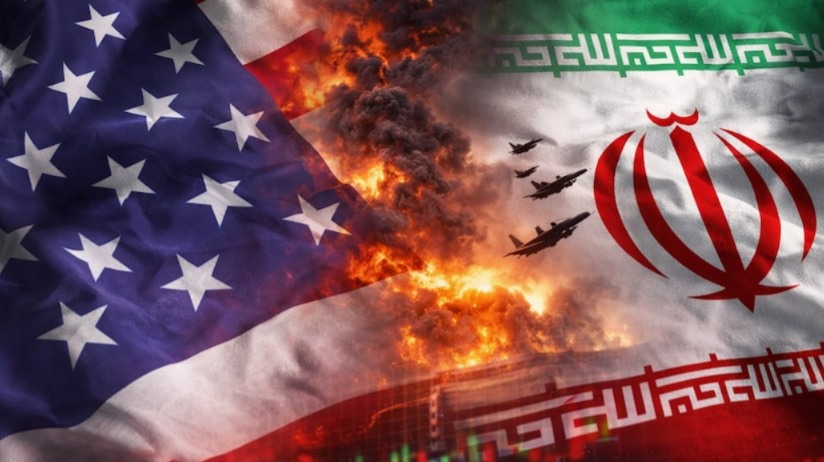
The United States, Israel, and Iran are currently engaged in an active, direct military conflict that began on February 28, 2026. This marks a major escalation from previous shadow wars, proxy conflicts, and limited direct exchanges (including a brief 12-day war in June 2025).
How It Started
-
- On February 28, 2026, the US and Israel launched large-scale joint airstrikes (nearly 900 in the first 12 hours) under US operation names like “Epic Fury.”
-
- Targets included Iranian missile sites, air defenses, nuclear-related facilities, military bases, naval assets, and leadership.
-
- A key early success (from the US/Israeli perspective) was the killing of Iran’s Supreme Leader Ayatollah Ali Khamenei in the opening strikes, along with many other senior officials and Islamic Revolutionary Guard Corps (IRGC) commanders. https://en.wikipedia.org/wiki/Islamic_Revolutionary_Guard_Corps
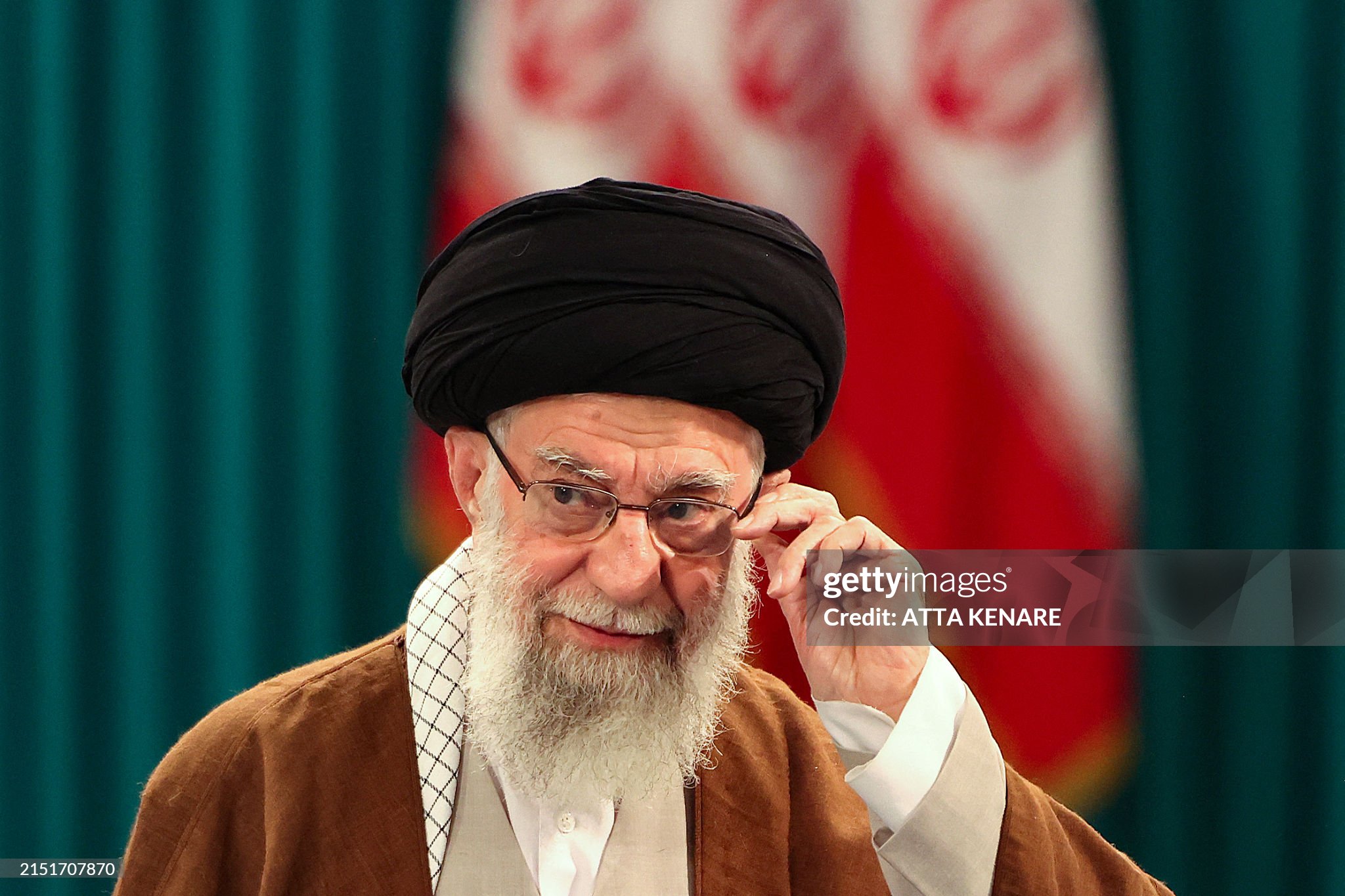
TOPSHOT – Iran’s Supreme Leader Ayatollah Ali Khamenei adjusts his eyeglasses during a press conference after casting his ballot for the parliamentary runoff elections in Tehran on May 10, 2024. (Photo by ATTA KENARE / AFP) (Photo by ATTA KENARE/AFP via Getty Images)
-
- The stated goals include regime change (or at least severely weakening the Islamic Republic), destroying Iran’s ballistic missile program, preventing nuclear weapon development, and neutralizing threats from Iran’s “Axis of Resistance” (proxies like Hezbollah, Houthis, etc.).
This came after failed nuclear negotiations in 2025–2026, years of sanctions, Iran’s weakened position post-2025 exchanges and regional losses, and assessments that military action had a window of opportunity. Current Status (as of March 10, 2026)
-
- The war is in its 11th–12th day (depending on exact counting), with no signs of de-escalation.
-
- US and Israeli strikes continue intensively on Iran, targeting remaining missile infrastructure, leadership, military sites, and naval forces. US Defense Secretary Pete Hegseth described March 10 as potentially the “most intense” day yet, with massive use of fighters, bombers, and munitions.
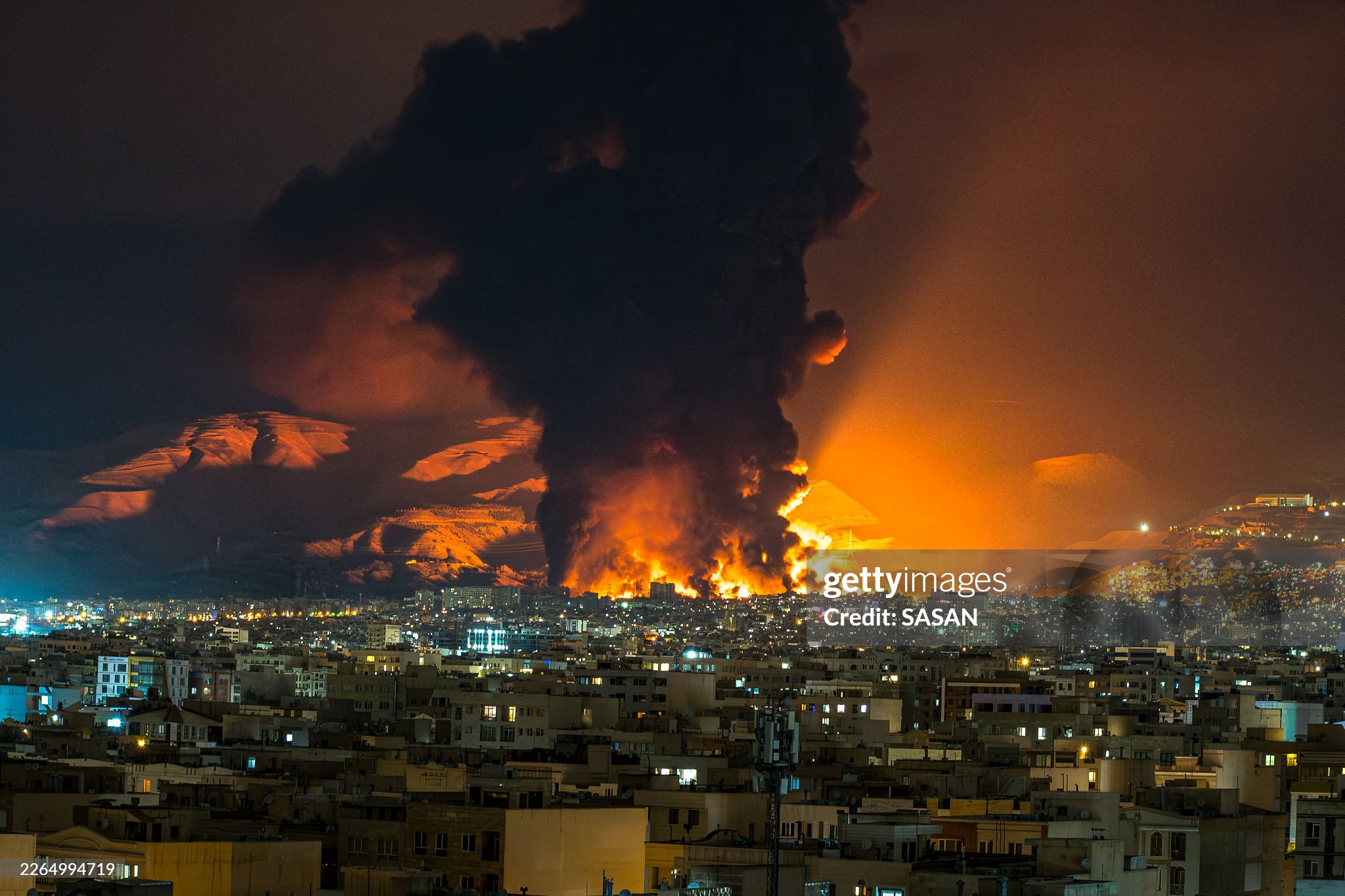
Smoke and flames rise at the site of airstrikes on an oil depot in Tehran on March 7, 2026. The United States and Israel launched strikes against Iran on February 28, prompting Iranian retaliation with missile attacks across the region and intensifying concerns about disruption to global energy and transport. (Photo by Sasan / Middle East Images / AFP via Getty Images)
-
- Iran has launched multiple waves of ballistic missiles and drones at Israel (including barrages hitting central areas like Tel Aviv, killing civilians and causing damage). Recent strikes (March 9–10) killed at least two in Israel and wounded others; Hezbollah (from Lebanon) has also fired rockets, injuring more.
-
- Iran has struck back regionally: attacks toward Gulf states (e.g., UAE/Qatar intercepting missiles), threats to close the Strait of Hormuz (critical oil chokepoint), and hits on shipping/oil infrastructure.
-
- Casualties: Over 1,200 reported killed in Iran (per Iranian sources); civilian deaths on both sides; exact figures are disputed and rising.
-
- Iran’s new leadership: Mojtaba Khamenei (son of the late Supreme Leader) has been named as successor.
Key Impacts So Far
-
- Oil and economy — Benchmark oil prices have surged past $100/barrel (first time since 2022) due to disruption fears. Global markets are volatile.
-
- Regional spillover — Hezbollah attacks from Lebanon; strikes in/around Lebanon; Iranian missiles/drones reaching Gulf states; some incidents affecting neighboring countries (e.g., Jordan, Azerbaijan injuries reported).
-
- Iran’s stance — Iranian officials (IRGC, Foreign Minister) say they’re ready for a prolonged fight (claims of “six-month war” capability), reject negotiations with the US (“bitter experience”), and insist Iran—not the US—will decide when it ends. No ceasefire interest signaled.
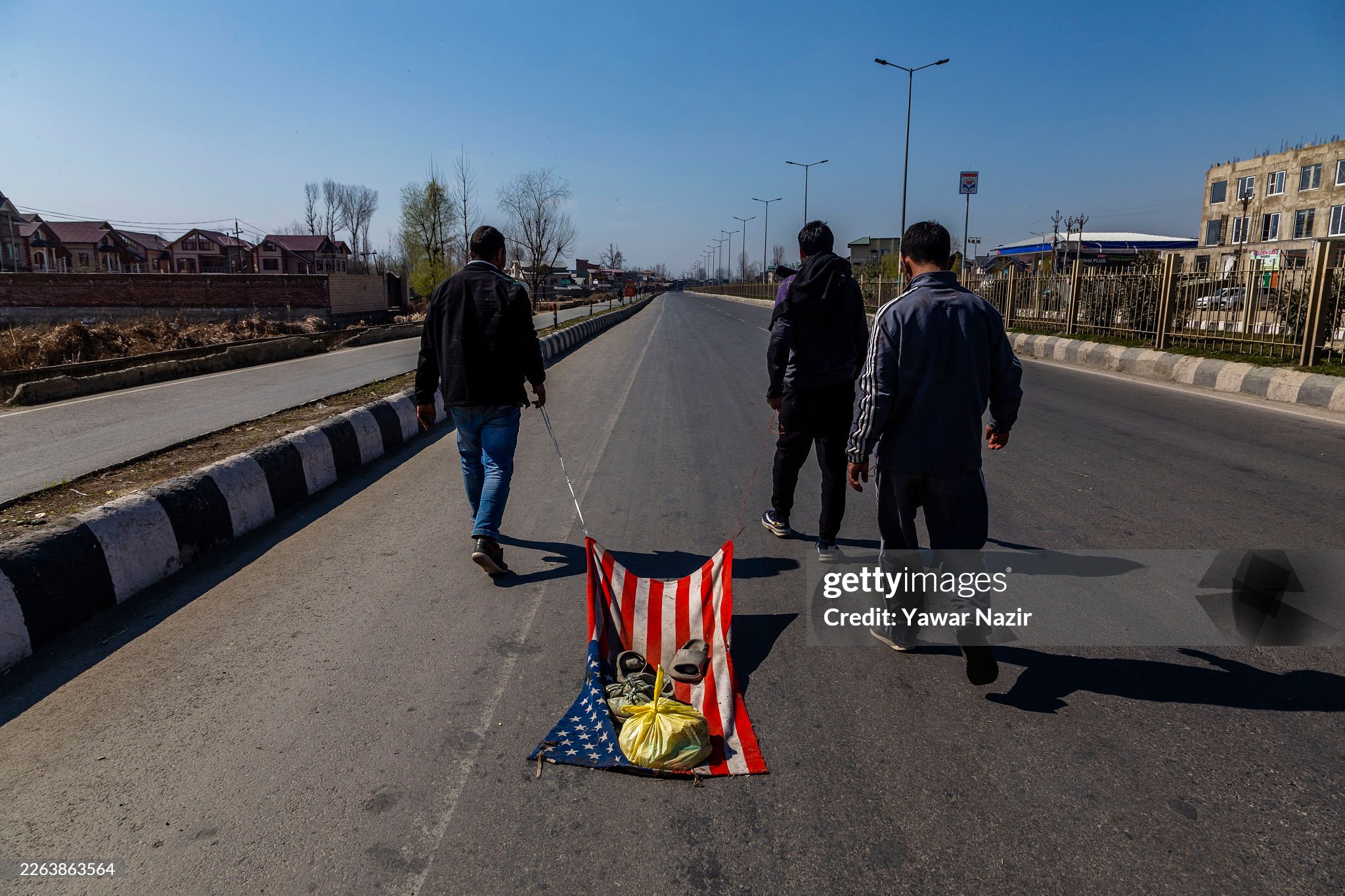
SRINAGAR, INDIA – MARCH 2: Kashirimi Shiite Muslim protester drag the U.S. flag during a protest march against the U.S. and Israel, after Iran’s Supreme Leader Ayatollah Ali Khamenei was killed in Israeli and U.S. airstrikes on March 2, 2026 in Srinagar, India. Security forces in Indian-administered Kashmir sealed off Srinagar’s commercial center on Monday and fired teargas to disperse protests over the killing of Iranian Supreme Leader Ayatollah Ali Khamenei. Authorities imposed restrictions, closed schools, and slowed internet services in the disputed Himalayan region following anti-U.S. and anti-Israel rallies. (Photo by Yawar Nazir/Getty Images)
-
- US/Israel stance — President Trump has said the war will end “very soon” (though not this week), claims Iran was planning regional takeover/domination (including nuclear threats), vows massive response if oil flows are blocked (e.g., “20 times harder”). Officials say operations are ahead of schedule, Iran’s missile/drone capabilities are severely degraded, and Iran “stands alone” and is “badly losing.”
This is not just Israel vs. Iran anymore—it’s a direct US-Israel vs. Iran war with heavy airstrike/missile exchanges. It has upended Middle East stability, rattled global energy markets, and drawn in proxies.
At the moment Russia and China have shown restrained or critical responses without direct intervention. No major ground invasion has occurred (so far it’s air/missile/naval focused), but escalation risks remain high, especially around oil routes or if proxies widen attacks.


Ghana Debates President’s Use of Brother’s Private Jet for Seoul Trip

TGMA 2027 Nominations Unveiled: Black Sherif and Sarkodie Lead the Race

Asake Performs Umrah in Saudi Arabia


-

 Tech2 years ago
The Introduction Of Meta AI Will Blow Your Mind
-
 Sports2 years ago
Novak Djokovic Slams Disrespectful Wimbledon Crowd
-
 Buzz1 year ago
X Users Celebrate Platform Anniversaries; #MyXAnniversary
-

 Entertainment2 years ago
DJ Ashes GH New Mixtape Dubbed ‘Kinaata Friday Mixtape Vol.4’
-

 Entertainment2 years ago
Kofi Kinaata Unveils ‘Kofi oo Kofi’ EP
-
 Sports1 year ago
International Football Association Board (IFAB’s) New Rule: Corner Kicks for Goalkeeper Time-Wasting
-

 Sports2 years ago
The 2nd Edition of Workers Day Workout With Coach Jay
-
 News2 years ago
KODA And The Glucose-6-phosphate dehydrogenase (G6PD) Deficiency And What You Need To Know By Dr. George Anagli