
News
Ghana President Bans State Boards’ Foreign Trips on Public Funds









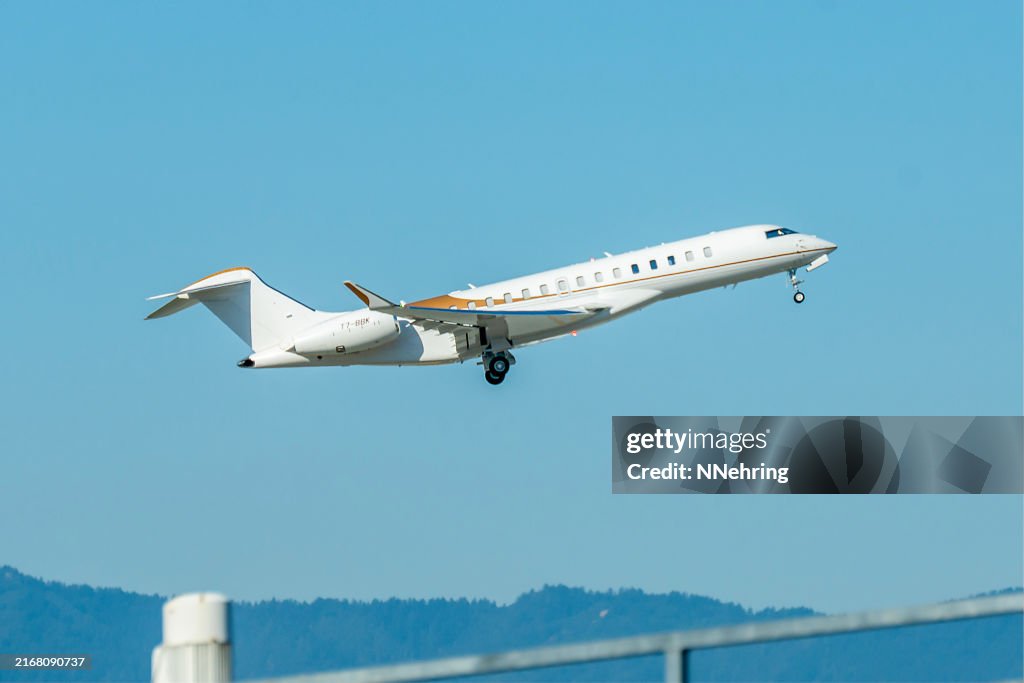
President John Dramani Mahama’s recent official trip to Seoul, South Korea, has ignited widespread public and political debate in Ghana. The controversy centers on his use of a private jet owned by his younger brother, prominent businessman Ibrahim Mahama, rather than a commercial flight or the state’s aircraft.
Background of the Trip
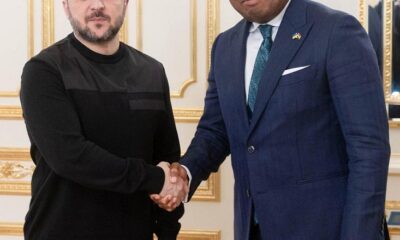
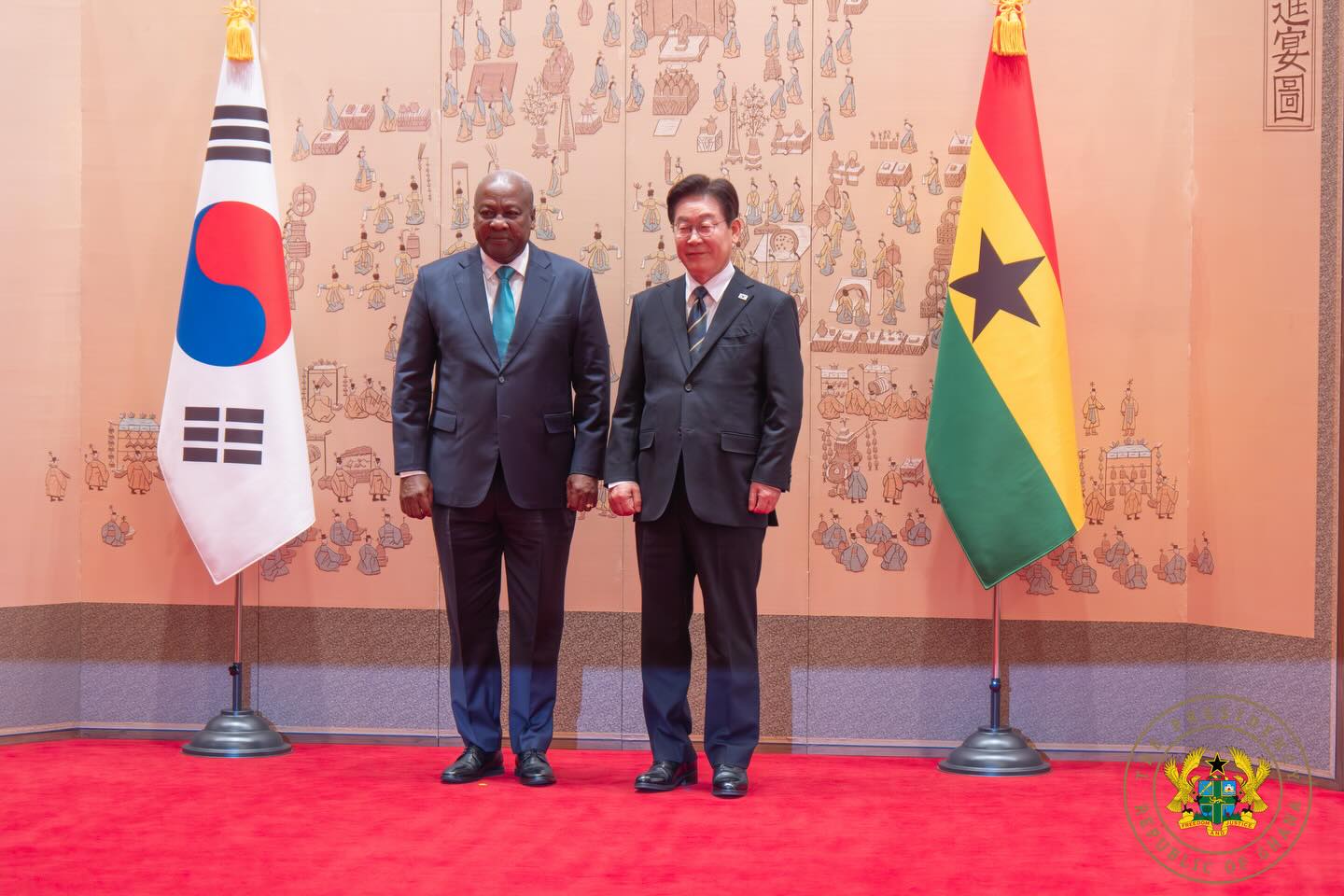 President Mahama traveled to South Korea in early March 2026 to strengthen bilateral ties between the two nations. The visit included high-level discussions with South Korean leadership, signing memoranda of understanding (MoUs), and participation in a ceremony at Hyundai Heavy Industries where a vessel was renamed in honor of Ghana (reported as “Asharami Ghana”).
The trip was described as historic in some reports, aimed at boosting economic and diplomatic relations. South Korea has emerged as a key partner for Ghana in areas like infrastructure, trade, and potentially visa arrangements.
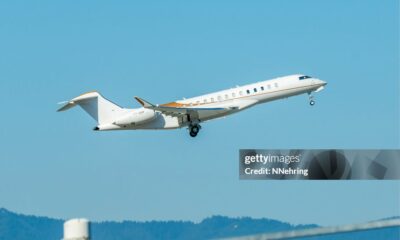
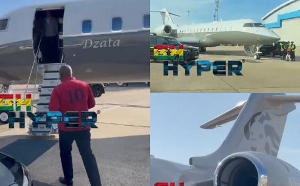
Upon arrival in Seoul, visuals circulated online showing the President disembarking from a Bombardier Global 6500 private jet branded “Dzata.” This aircraft, valued at around $70 million and newly acquired, belongs to Ibrahim Mahama, one of West Africa’s leading entrepreneurs with interests in mining, construction, agriculture, and other sectors.
The Controversy Unfolds
The revelation sparked immediate backlash, particularly from opposition figures in the New Patriotic Party (NPP). Critics argued that using a family member’s private jet for official state travel raises serious concerns about:
-
- Conflict of interest — A close relative providing such a resource could imply undue influence or favoritism.
-
- Breach of ethics — Some, including the MP for Walewale, Abdul Kabiru Tiah Mahama, claimed it violates the Code of Conduct for public officials, which the President himself has promoted. They suggested he should have opted for commercial flights to avoid any perception of impropriety.
-
- Transparency and cost to taxpayers — Questions arose about whether any indirect benefits accrue to the President’s family or if state funds subtly cover related expenses beyond what’s disclosed.
Public reactions, captured in vox pops and social media, were divided. Some Ghanaians saw nothing wrong with a president borrowing from family, comparing it to everyday use of relatives’ resources. Others demanded accountability, labeling it hypocritical or extravagant amid economic challenges. Legal and governance experts weighed in. Lawyer Kofi Bentil argued it was inappropriate for official duties. Civil society voices called for probes into potential hidden costs.
Government and Supporters’ Defense
The Presidency and allies pushed back strongly. Key points include:
-
- Cost savings — Government Communications Minister Felix Ofosu Kwakye clarified that the state only covers fuel and landing fees—no rental or charter costs are paid to Ibrahim Mahama. This avoids the high expense of hiring a commercial private jet for long-haul flights.
-
- Practical necessity — Ghana’s official presidential aircraft, the Dassault Falcon 900, lacks the range for non-stop travel to East Asia and requires multiple refueling stops, making it inefficient. The Falcon has faced maintenance issues in the past.
-
- No violation — Supporters, including some NDC figures like Inusah Fuseini, maintained there’s nothing inherently wrong with family assistance if transparent and cost-effective. Executive Secretary Dr. Callistus Mahama and others emphasized openness in the arrangement.
-
- Precedent and context — Private resources have been used before for presidential travel when state assets are unavailable.
The government has indicated plans to acquire a more suitable dedicated presidential aircraft by late 2026 to address long-term logistics.
Broader Implications
This episode highlights ongoing tensions in Ghanaian politics around family influence, public resource use, and perceptions of elite privilege. While the President’s trip achieved diplomatic gains—including progress toward visa waivers and economic partnerships—the jet controversy overshadowed these outcomes in domestic discourse.
As debates continue on social media, talk shows, and in Parliament, the incident underscores the scrutiny presidents face in balancing practical governance needs with ethical optics. Whether it leads to formal inquiries or fades as partisan noise remains to be seen, but it has reignited conversations about transparency in high office.
For many Ghanaians, the core question persists: Is family support a pragmatic solution or a slippery slope? The answer may shape public trust in leadership for years to come.


Ghana Plans New Nationwide SIM Card Re-Registration in 2026

Ghana Pushes UN Resolution on Transatlantic Slave Trade as Gravest Crime

Ghana Debates President’s Use of Brother’s Private Jet for Seoul Trip


-

 Tech2 years ago
The Introduction Of Meta AI Will Blow Your Mind
-

 Sports2 years ago
Novak Djokovic Slams Disrespectful Wimbledon Crowd
-

 Buzz1 year ago
X Users Celebrate Platform Anniversaries; #MyXAnniversary
-

 Entertainment2 years ago
DJ Ashes GH New Mixtape Dubbed ‘Kinaata Friday Mixtape Vol.4’
-

 Entertainment2 years ago
Kofi Kinaata Unveils ‘Kofi oo Kofi’ EP
-

 Sports1 year ago
International Football Association Board (IFAB’s) New Rule: Corner Kicks for Goalkeeper Time-Wasting
-

 Sports2 years ago
The 2nd Edition of Workers Day Workout With Coach Jay
-
 News2 years ago
KODA And The Glucose-6-phosphate dehydrogenase (G6PD) Deficiency And What You Need To Know By Dr. George Anagli