
News
How it feels like to loose a business; the current state of Western Region. Part I

Thursday, June 13 2024. A day that goes straight into my diary of how I lost an important business doing in Western Region, Tarkwa. There has been many occurrences shared on social media about how this Western Regional minister has been very lame when it comes to national issues and I must be frank, my experience on June 13th was nothing to take my mind off of the various post I have seen on the media space.
Western Region in retrospective
The Western Region is located in south Ghana,[4]spreads from the Ivory Coast (Comoé District) in the west to the Central region in the east, includes the capital and large twin city of Sekondi-Takoradi on the coast, coastal Axim, and a hilly inland area including Elubo. It includes Ghana’s southernmost location, Cape Three Points, where crude oil was discovered in commercial quantities in June 2007. The region covers an area of 13,842 km2, and had a population of 2,060,585 at the 2021 Census.[2]
The Western Region enjoys a long coastline that stretches from South Ghana’s border with Ivory Coast to the Western region’s boundary with the Central Region on the east.
The Western Region has the highest rainfall in Ghana, lush green hills, and fertile soils. There are numerous small and large-scale gold mines along with offshore oil platforms dominate the Western Region economy.
The culture is dominated by the Akans; the main languages are Akan, French and English.
The largest rivers are the Ankobra River, the Bia River, and the Pra River in the east, with the Tano River partly forming the western national border. The area is known for the UNESCO World Heritage Site, the village of Nzulezo built entirely on stilts and platforms over water[5] and the Ankasa Protected Area. There is a series of imposing Portuguese, Dutch, British, and Brandenburgian forts along the coast, built from 1512 on.
The Dialect/Ethnic group popularly known in the Western Region is Nzema, the beaches of Nzema have become a getaway/vacation/resort destination for a lot of tourists (local and foreign) to experience true Nzema Hospitality. Amongst the top resorts along the coast of Nzema are Venice View Beach Resort, Located in a small town called Baku (also sometimes known as Beku) about 8 minutes drive from Eikwe. Along these beaches are other destinations such as the Fort Apollonia located at Beyin.
Also there is a beach tourist attraction village called Busua, with the biggest tourist resort in the region which has a beach suitable for surfing. On the east there is a small fishing village called Butre with a beach, a lagoon and several tourist resorts. The old language in these parts is Ahanta, most people speak Fanti.[citation needed] (Wikipedia)
One carefully reading through the above from Wikipedia.com would definitely have a great impression about the region and without a shred of doubt would even find ways and means to have an experience, adding up to revenue generated from the region, that is, a visit to this vast rich tourist sites can be a contributing factor to Ghana’s gross domestic product (GDP)
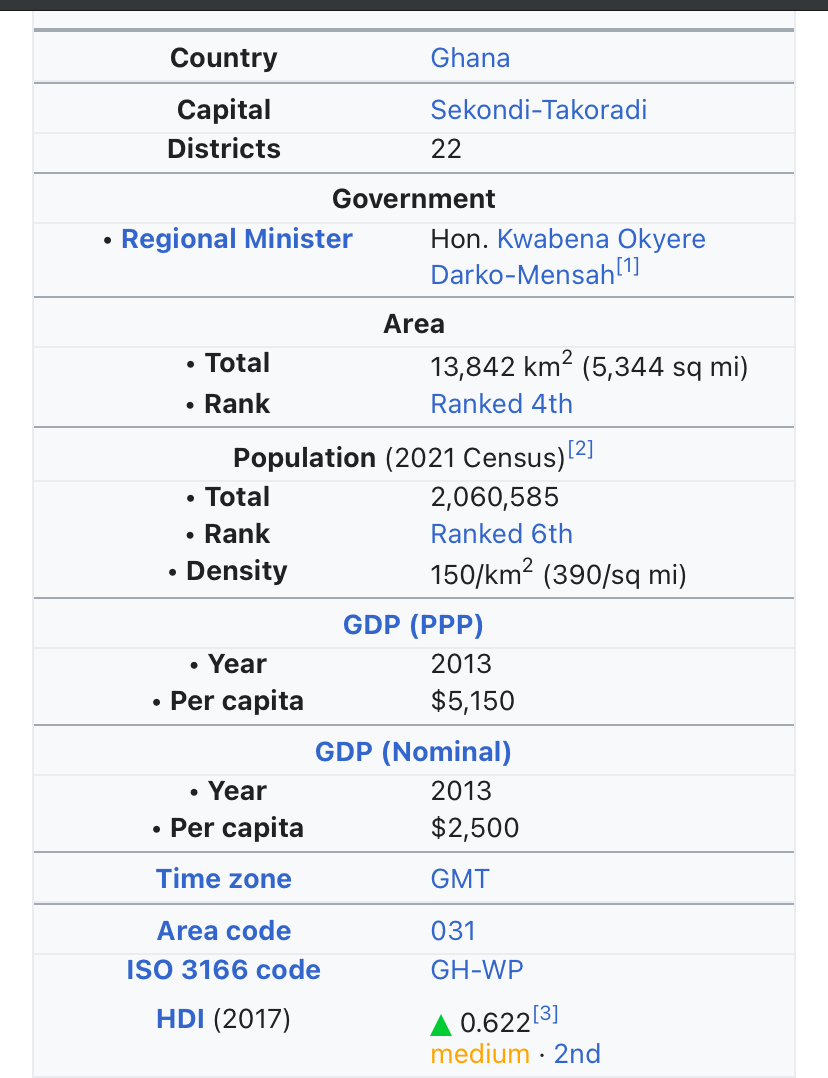
(A graphical representation of Western Region)
With special attention to the contribution of Western Region to gross domestic product (GDP) as at 2015, per capita of $2,500. Fast forward 2024, in my quest to find out the current contribution to national GDP I asked google, since it’s everyone’s friend. “Western Region’s contribution to Gross Domestic Product” even google gave me a tough result, probed and probed but nothing of what I actually wanted. I resorted to A.I, no result as it only provided that of Ghana.
The contribution of Western Region to Ghana’s GDP which I know of, is almost close to 60% considering the gold mining, bauxite, manganese, oil drilling, and so forth coming from Western Region, yet it is the most deprived in terms of infrastructures and development. In a publication on https://yen.com.gh/politics/238168-kennedy-agyapong-blasts-ghanaian-politicans-god-lash-them/ with headline “Kennedy Agyapong Blasts Ghanaian Politicians During Campaign, Says God Must Lash All Of Them”
Going by what Hon. Kennedy Agyapong said in the above, with proper look into Western Region, the regional minister really needs a lashing and to add to; a dirty slap.
A look back in history, Wednesday 24th Ocotober, 2023, a witness to it and a publication on “traffic chaos on poor Takoradi-Agona-Nkwanta road due to heavy vehicle breakdown” https://beachfmonline.com/2023/10/26/traffic-chaos-on-poor-takoradi-agona-nkwanta-road-due-to-heavy-vehicle-breakdown/
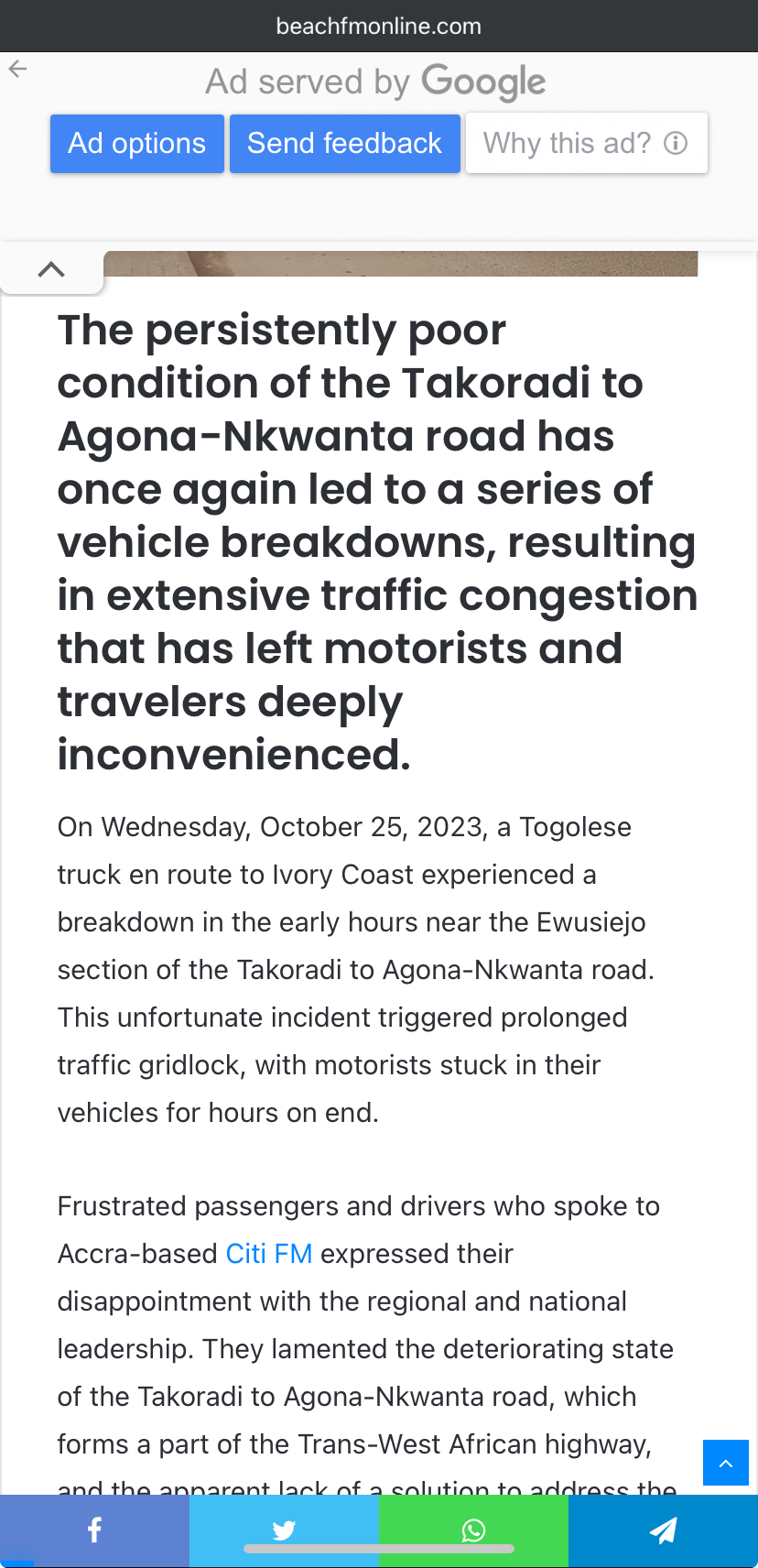
(traffic chaos on poor-takoradi-agona-nkwanta road due to heavy vehicle breakdown)
Ladies and gentlemen, we are in 2024 and this same problem from 2023 hasn’t been solved. You’d ask all the big questions. Are there leadership in the region? Does the regional minister know what is happening on that road? As a leader does he have any vision at all? Do they care about the people that commute that road for their daily activities? And so forth.
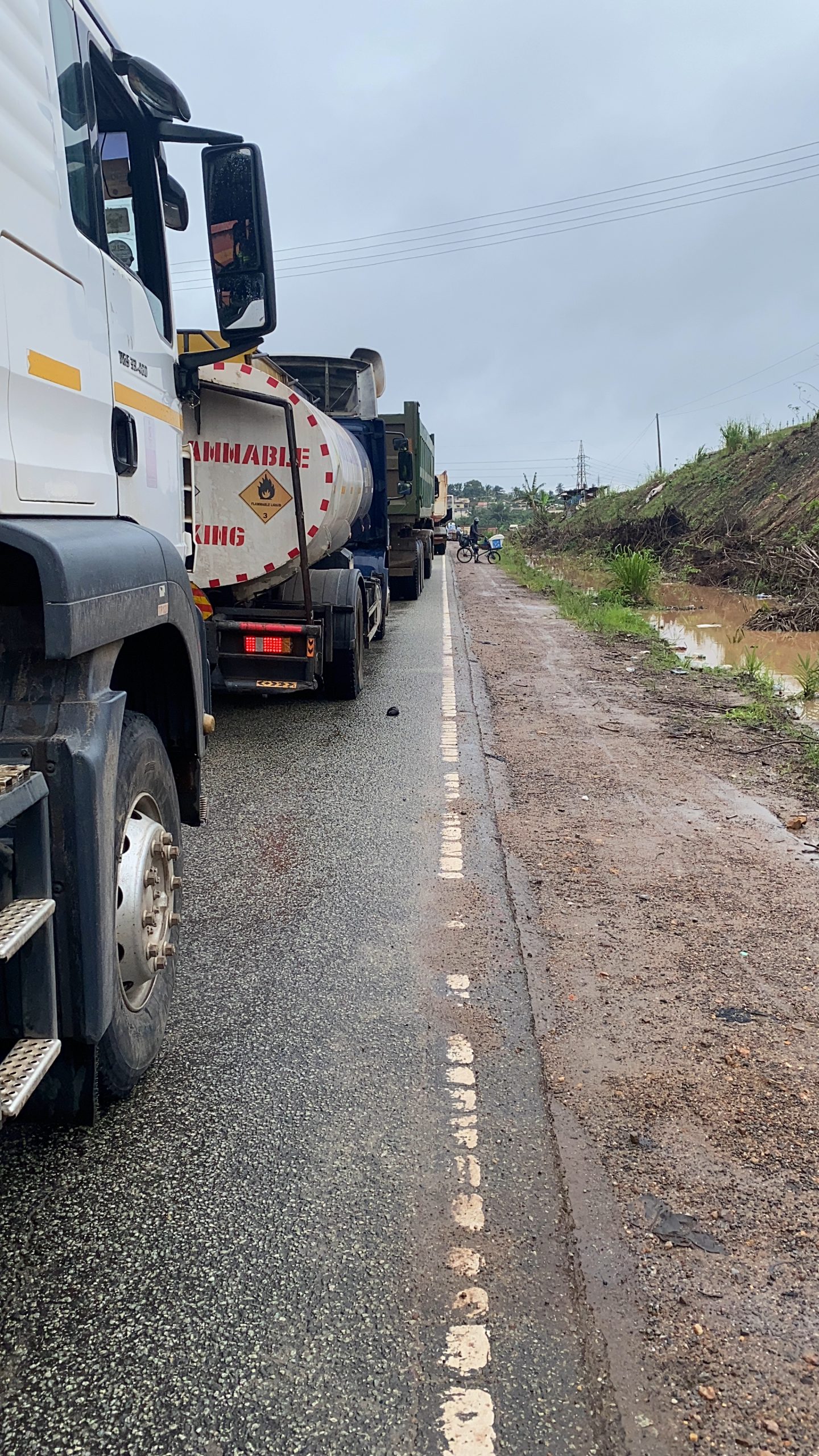
14th June 2024, same problem persist on Takoradi-Agona-Nkwanta road
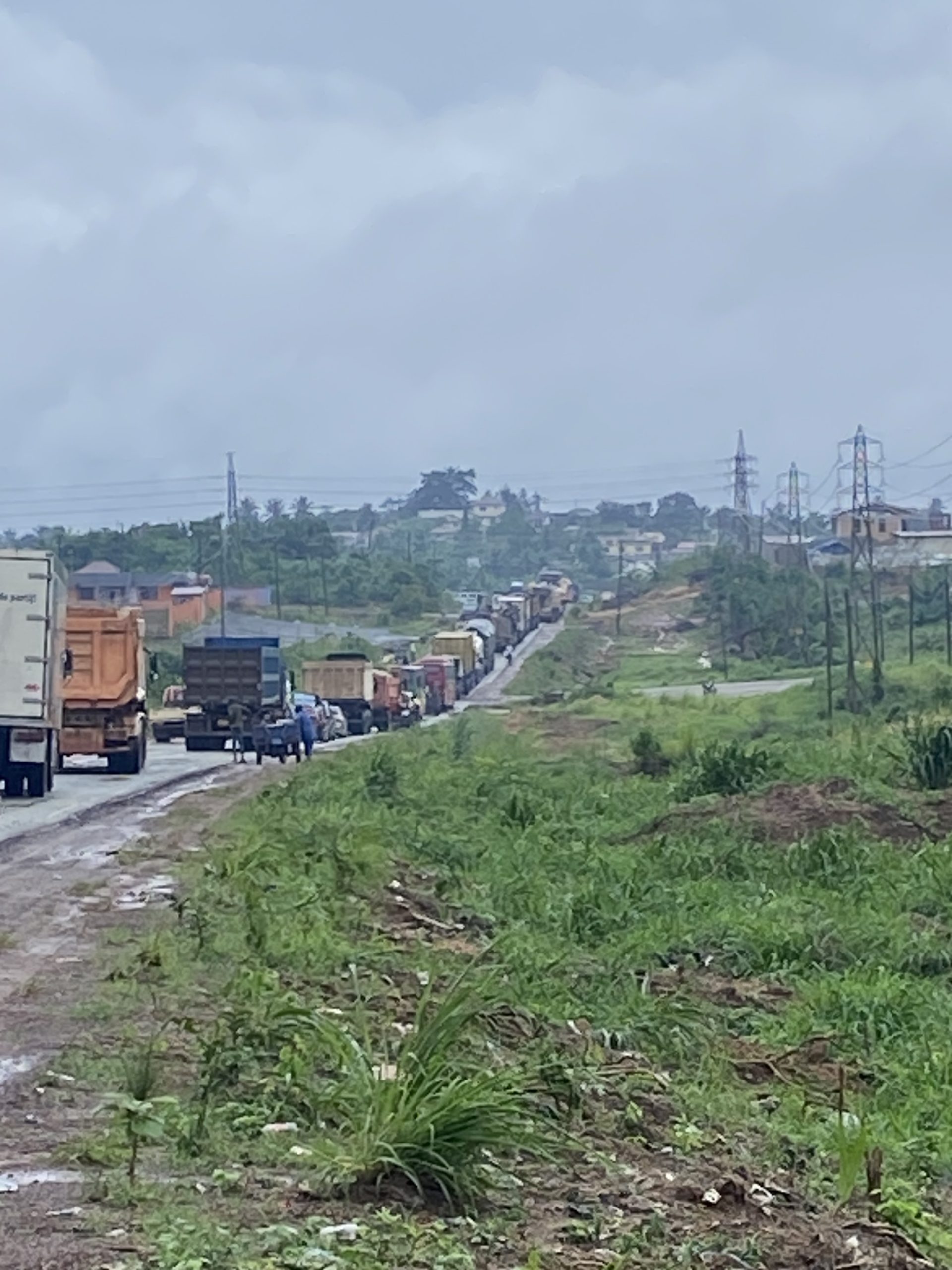
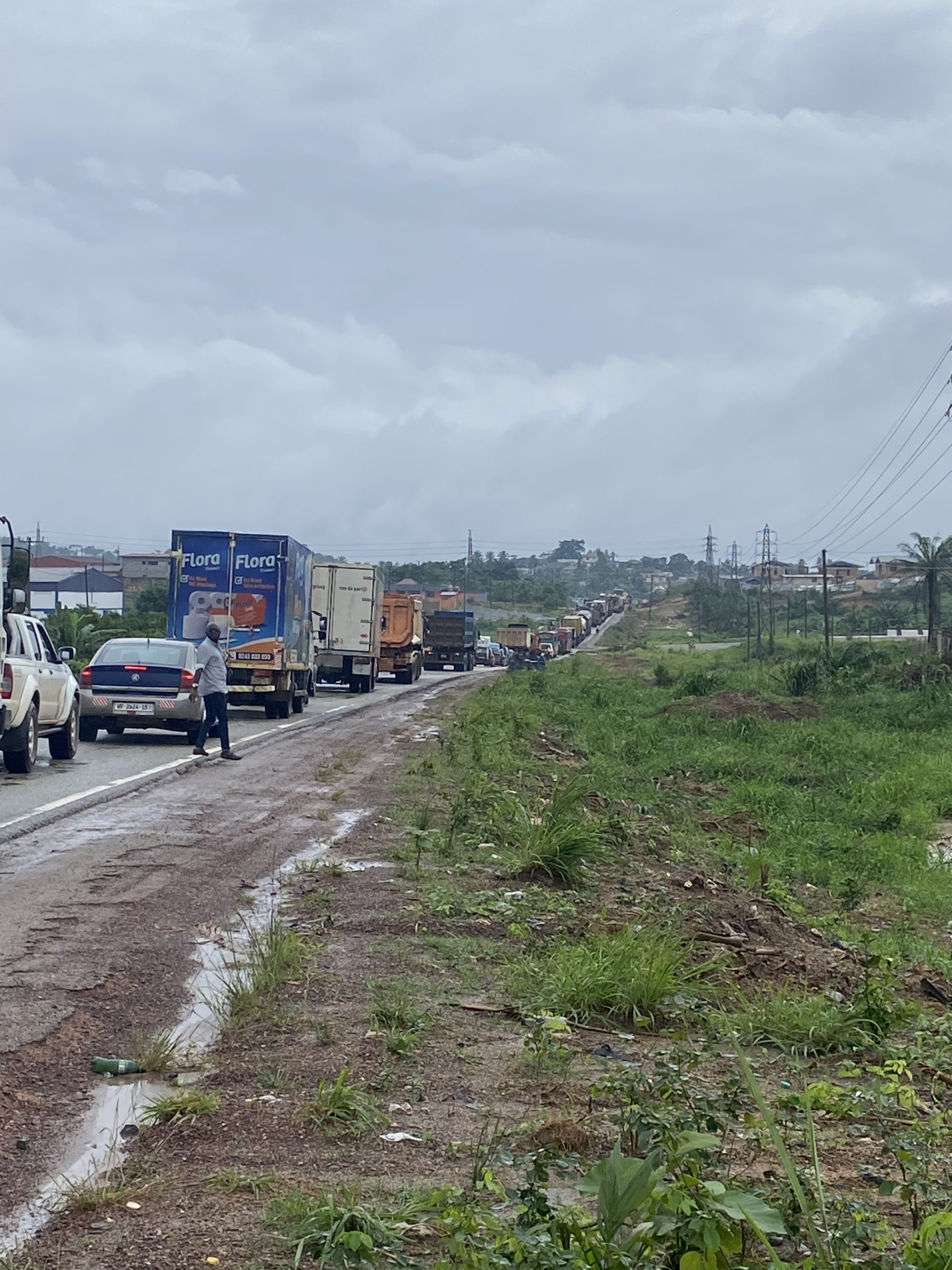
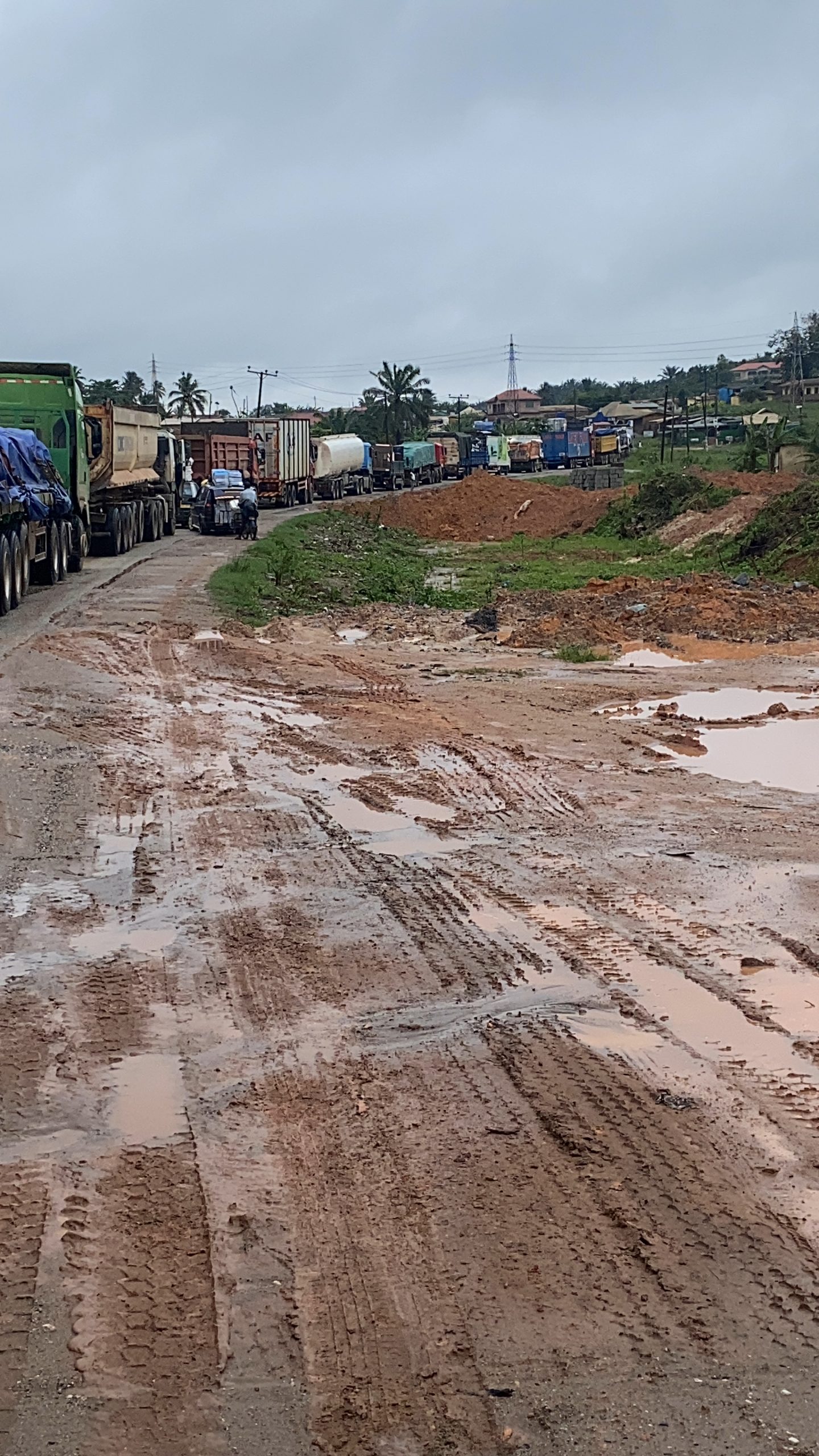
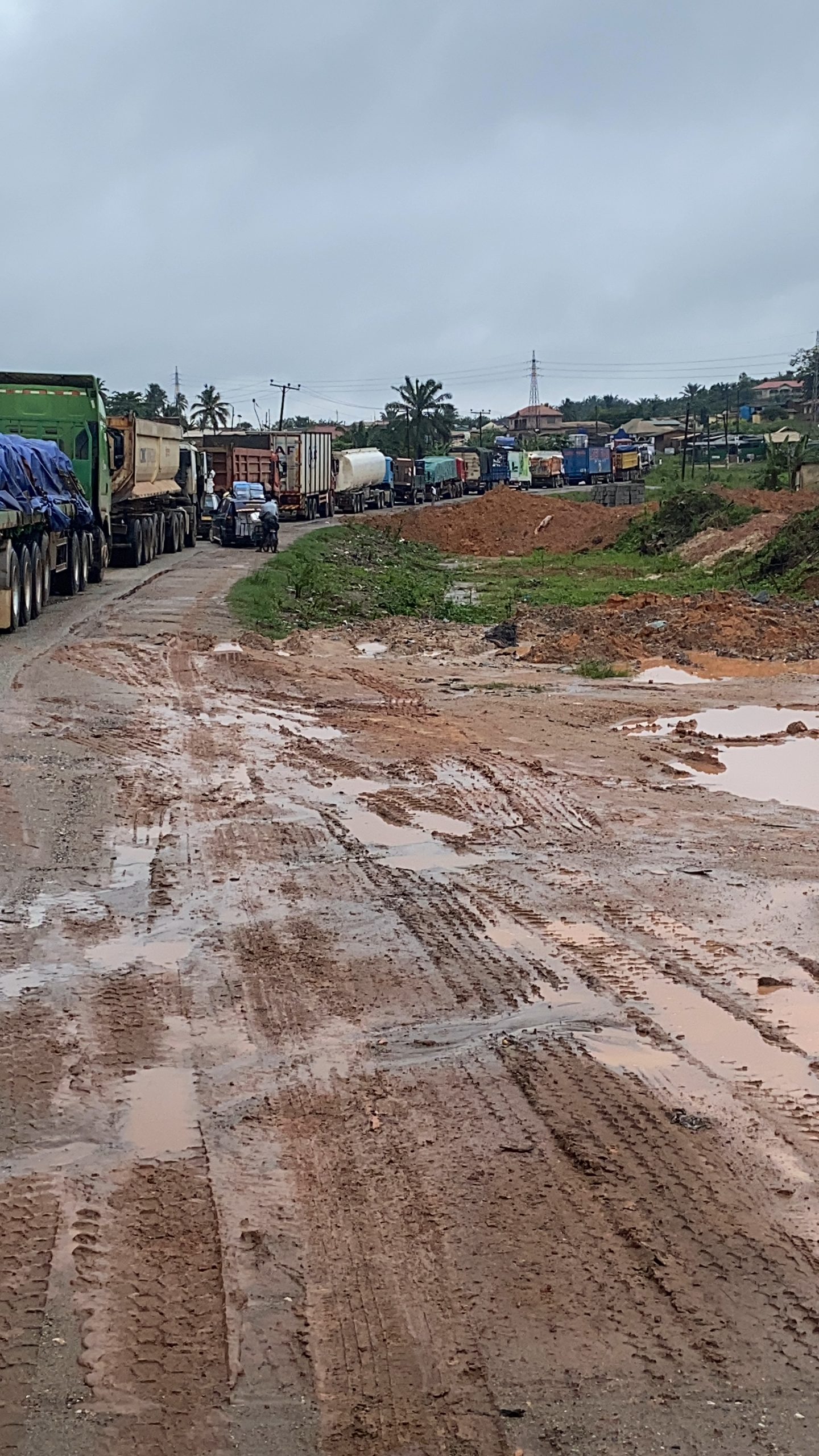
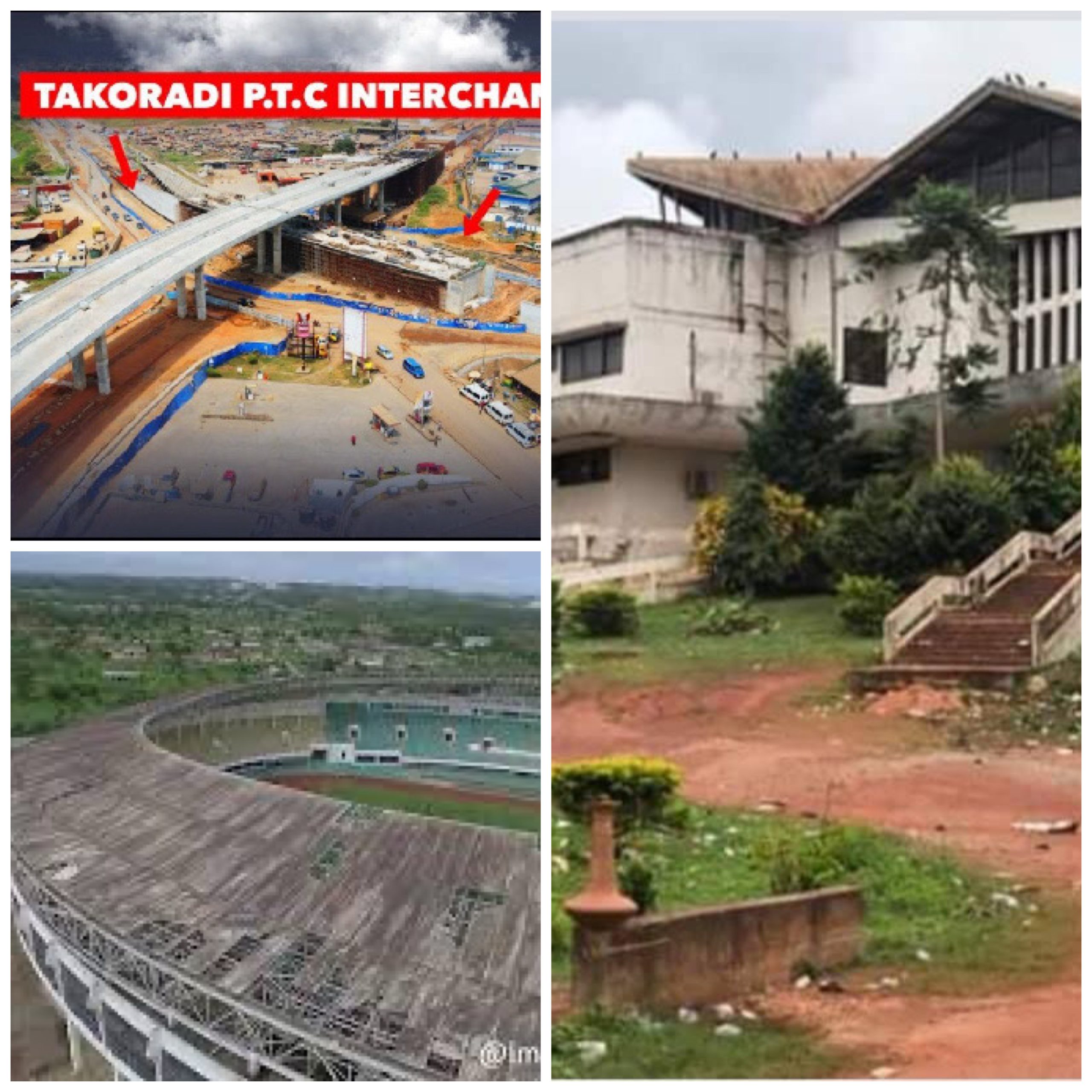
The current state of Western Region doesn’t look good, the only national sports stadium we can boast of, Essipong Stadium has been left to deteriorate, center for national culture, the interchange promised us is now a tourist attraction or better put a statue that will soon be named after the Regional Minister I guess. And when He’s granted to speak it’s always trash.
To end with:
“But until you’re affected, you’ll never know the cry of the innocent Ghanaian” ~ Anonymous
“Countrymen, the task ahead is great indeed, and heavy is the responsibility; and yet it is a noble and glorious challenge – a challenge which calls for the courage to dream, the courage to believe, the courage to dare, the courage to do, the courage to envision, the courage to fight, the courage to work, the courage to achieve – to achieve the highest excellencies and the fullest greatness of man. Dare we ask for more in life?” ~ Kwame Nkrumah
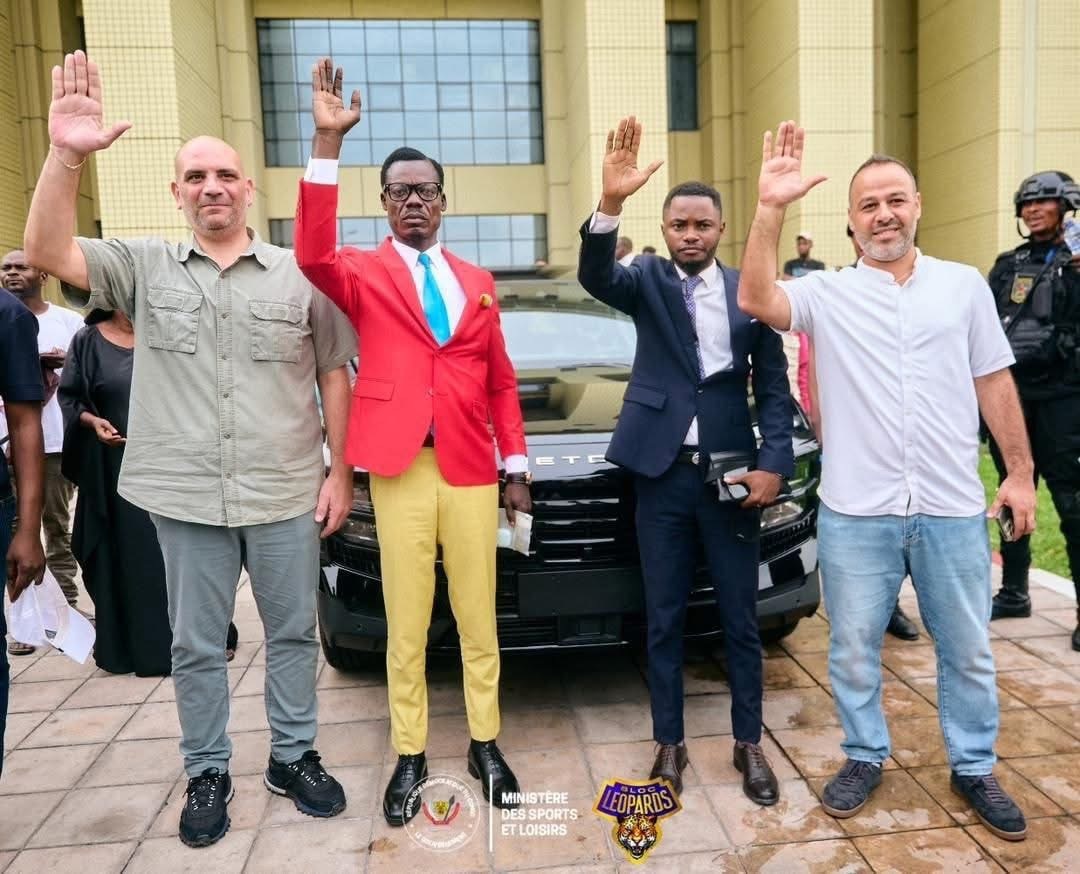
The Democratic Republic of Congo’s Minister of Sports and Recreation, Didier Budimbu, officially honored Michel Kuka (also known as Michel Nkuka Mboladinga), popularly called Lumumba Vea, by presenting him with a Jeep (specifically a Jetour model, such as a Jetour Dashing SUV or similar 4×4).
This gesture was in recognition of Lumumba Vea’s iconic and viral support for the DR Congo national football team (Les Léopards) during the Africa Cup of Nations (AFCON) 2025 held in Morocco.
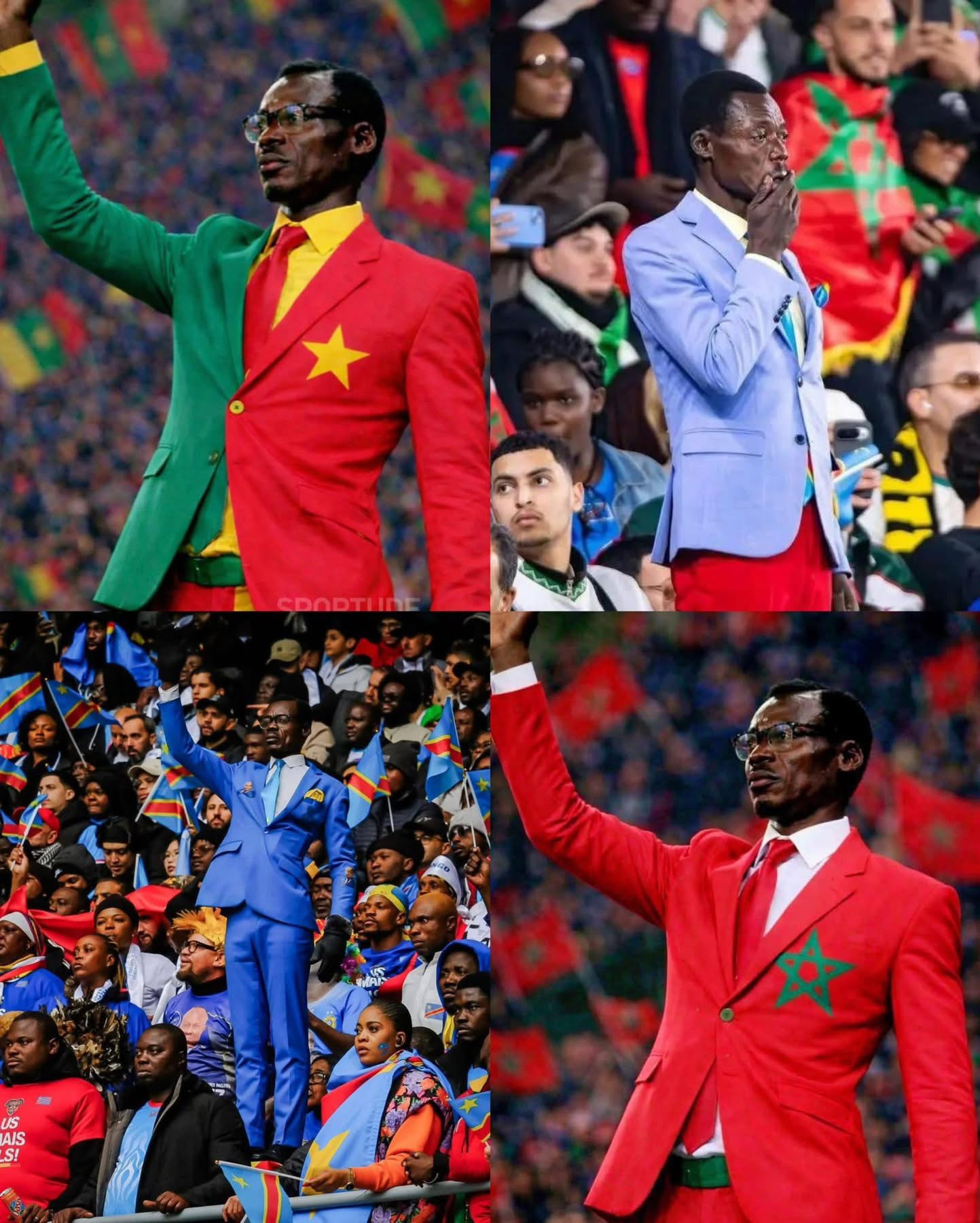
Michel Kuka, alias Lumumba Vea with his iconic celebration at AFCON 2025 in Morocco
He gained widespread fame and admiration across Africa for his unique, silent style: standing motionless like a statue throughout entire matches, paying tribute to Patrice Émery Lumumba (the DR Congo’s independence hero and first prime minister).
His solemn, unwavering presence in the stands turned him into a symbolic “12th man” for the team, an ambassador for the Bloc Léopards supporters’ group, and a powerful emblem of national pride, unity, and historical memory.
The minister had promised the vehicle during the tournament (reportedly in Casablanca), and he fulfilled it in a ceremony.
This well-deserved tribute highlights the impact ordinary passionate supporters can have beyond the pitch.
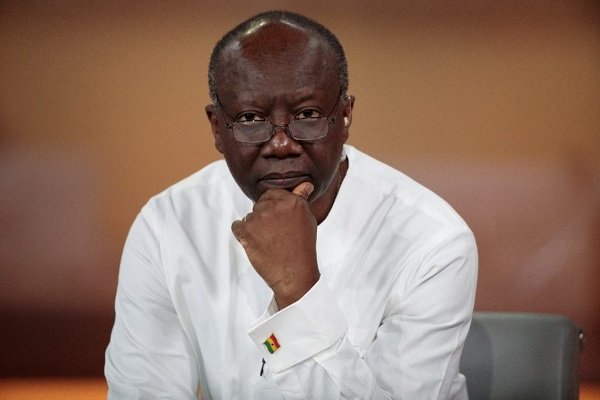
Ghana’s former Finance Minister, Kenneth Nana Yaw Ofori-Atta, has been detained by U.S. Immigration and Customs Enforcement (ICE). This development occurred on January 6, 2026, with his lawyers confirming the detention the following day (January 7). He is currently held at the Caroline Detention Facility in Virginia, and a court hearing is reportedly scheduled for January 20, 2026.
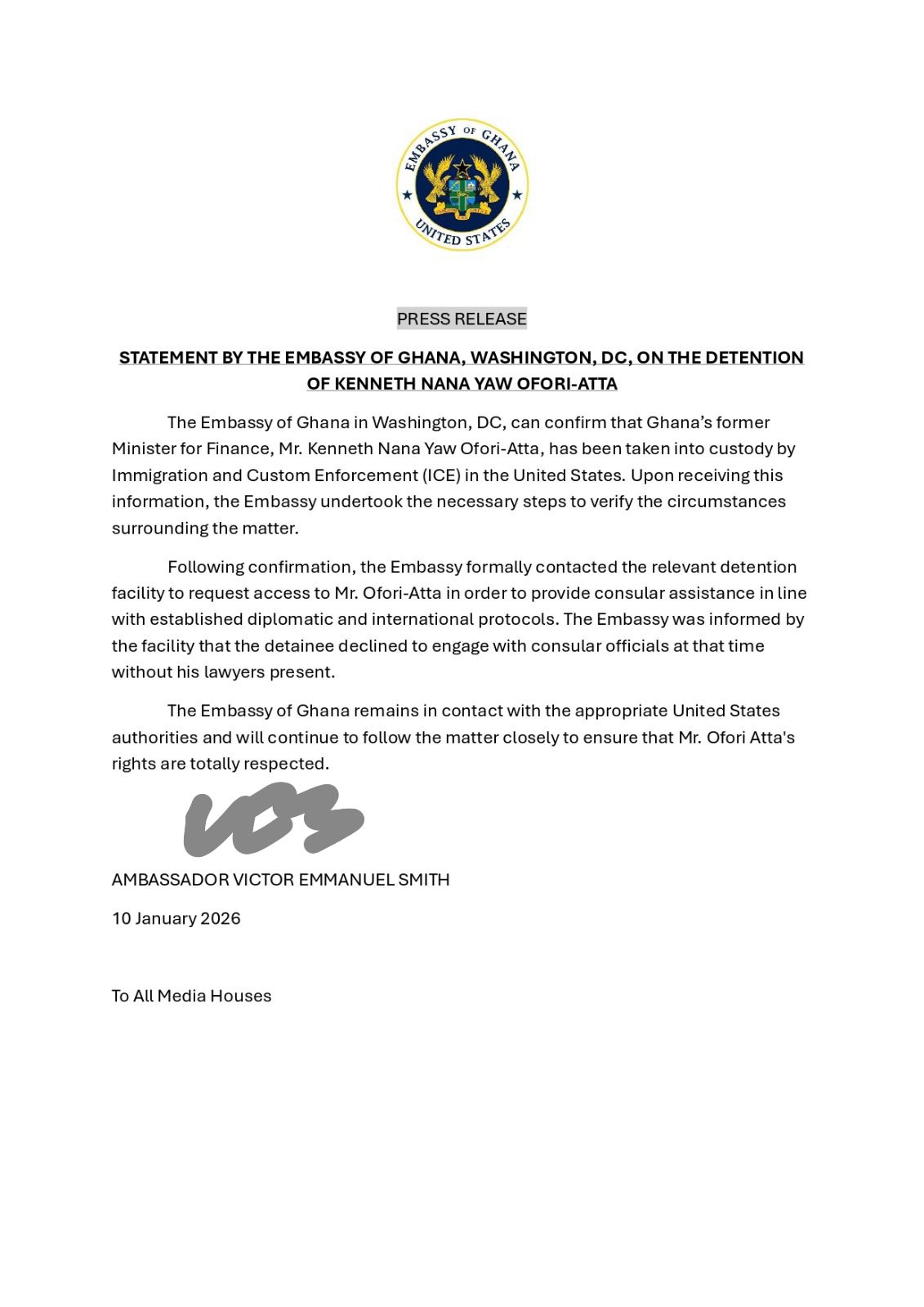
Letter of detention
Key Details
- Reason for Detention: Reports indicate issues related to his immigration status, including overstaying his visa or a revoked visa. Some sources (including Ghana’s Deputy Attorney General) clarify that his U.S. visa was revoked in mid-2025 (around June/July), with a deadline to leave by late November 2025. He had been in the U.S. since January 2025, initially for medical treatment (including prostate cancer surgery), and had applied to regularize or extend his stay.
- His Lawyers’ Statement: They describe him as cooperating fully with authorities and expect the matter to be resolved “expeditiously.” He was reportedly arrested during a targeted operation while leaving a luxury apartment in Washington, D.C.
- Ghanaian Government Involvement: Ofori-Atta has been a fugitive in Ghana since February 2025, declared wanted by the Office of the Special Prosecutor (OSP) on multiple corruption-related charges (including conspiracy to commit procurement fraud, causing financial loss to the state, and involvement in scandals like the SML case). He faces dozens of counts and was placed on an Interpol Red Notice. Ghana formally requested his extradition from the U.S. in late 2025. While the current detention is immigration-related, some officials suggest it ties into cooperation on the extradition process.
- Ghana Embassy Response: The Embassy in Washington, D.C., confirmed the detention, requested consular access, and is engaging U.S. authorities to ensure his rights are respected. However, Ofori-Atta declined to meet consular officials without his lawyers present.
This case has sparked significant discussion in Ghana, with reactions ranging from calls for swift extradition and justice to speculation about his future (e.g., possible deportation, asylum attempts on health grounds, or resolution of his U.S. status). The situation remains ongoing, with his legal team working to address the immigration issues.


Minister Didier Budimbu honors Michel Kuka, alias Lumumba Vea

Twenty-three (23) Ghanaian referees officially presented with FIFA badges

Senegal’s Teranga Lions Parade AFCON Trophy


-

 Tech2 years ago
The Introduction Of Meta AI Will Blow Your Mind
-
 Sports2 years ago
Novak Djokovic Slams Disrespectful Wimbledon Crowd
-

 Buzz1 year ago
X Users Celebrate Platform Anniversaries; #MyXAnniversary
-

 Entertainment2 years ago
DJ Ashes GH New Mixtape Dubbed ‘Kinaata Friday Mixtape Vol.4’
-

 Entertainment2 years ago
Kofi Kinaata Unveils ‘Kofi oo Kofi’ EP
-
 Sports2 years ago
The 2nd Edition of Workers Day Workout With Coach Jay
-
 Sports12 months ago
International Football Association Board (IFAB’s) New Rule: Corner Kicks for Goalkeeper Time-Wasting
-
 News2 years ago
KODA And The Glucose-6-phosphate dehydrogenase (G6PD) Deficiency And What You Need To Know By Dr. George Anagli