Connect with us

News

People who mocked God and died some few moments later

Published

on

Spread the love

On my daily devotional with the Lord, I found out in Galatians 6:7 “Do not be deceived: God cannot be mocked. A man reaps what he sows” (New International Version)

To mock someone, from oxford languages means, an absurd misrepresentation or imitation of something

From the above scripture to “mock” God is to act as if we know better than the Creator. It’s an insult to God’s wisdom and authority. When we mock God, we demonstrate an arrogant heart attitude that assumes God doesn’t see or care about our actions. Ultimately, mocking God is duplicitous and deceitful. It’s asserting one thing while embodying another.

Here are some people who dared the existence of God and were found out.


Stephen Hawking 

God doesn’t exist, aliens do exist, and time travel might still be possible, Stephen Hawking says in a book he wrote before his death.

Released on Tuesday, the theoretical physicist and British icon says in Brief Answers to the Big Questions: “There is no God. No one directs the universe.

“For centuries, it was believed that disabled people like me were living under a curse that was inflicted by God. I prefer to think that everything can be explained another way, by the laws of nature.”


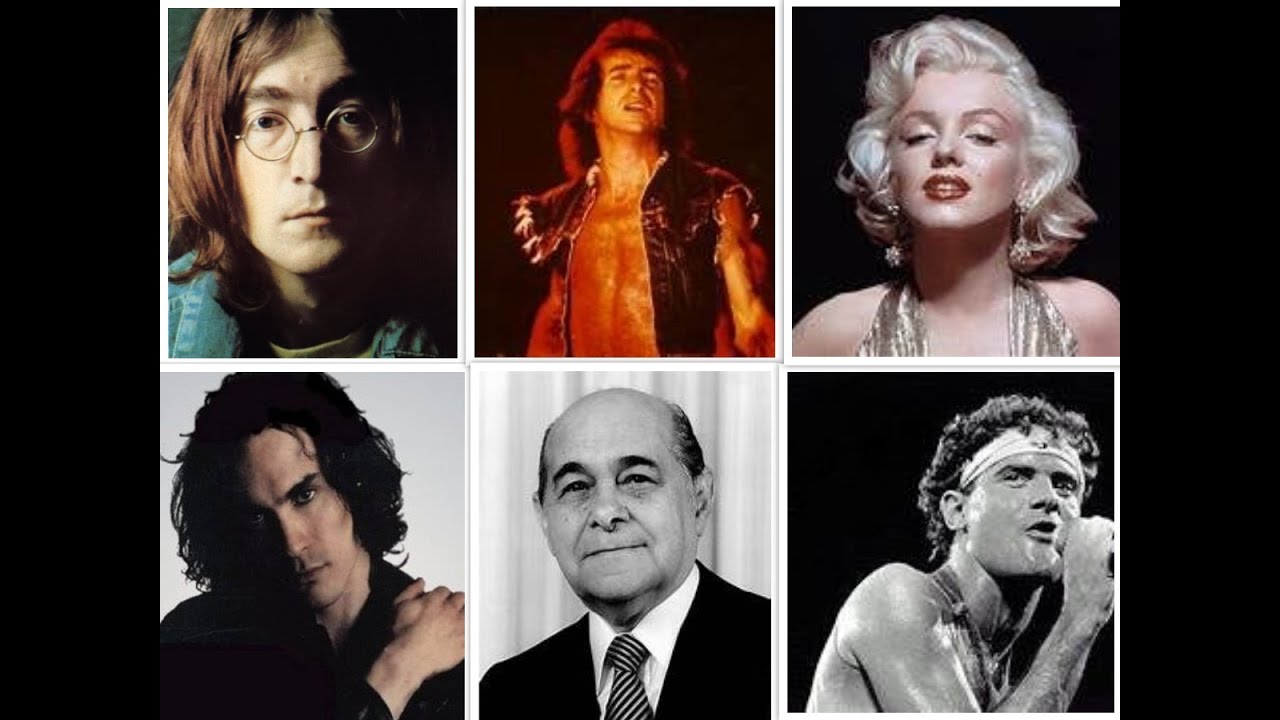
John Lennon (Singer) 

Christianity will end, it will disappear. I do not have to argue about that. I am certain. Jesus was ok, but his subjects were too simple, today we are more famous than Him’ (1966). Lennon, after saying that the Beatles were more famous than Jesus Christ, was shot six times, and he died


Tancredo Neves (President of Brazil)

During the Presidential campaign, he said if he got 500,000 votes from his party, not even God would remove him from Presidency. Sure, he got the votes, but he got sick a day before being made President, then he died.
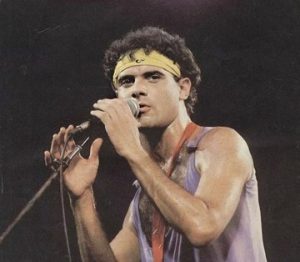
Cazuza (Bi-sexual Brazilian composer, singer and poet)
During A show in Canecio (Rio de Janeiro) While smoking his cigarette, he puffed out some smoke into the air and said: “God, that’s for you.” He died at the age of 32 of LUNG CANCER in a horrible manner.
Thomas Andrews
After the construction of Titanic, a reporter asked him how safe the Titanic would be. With an ironic tone he said: “Not even God can sink it.” The result: I think you all know what happened to the Titanic.
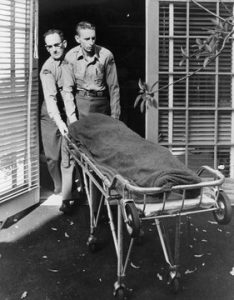
Marilyn Monroe (Actress)
She was visited by Billy Graham during a presentation of a show. He said the Spirit of God had sent him to preach to her. After hearing what the Preacher had to say, she said: “I don’t need your Jesus”. A week later, she was found dead in her apartment.
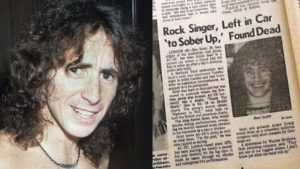
Bon Scott (Singer)
The ex-vocalist of the AC/DC. On one of his 1979 songs he sang: ‘Don’t stop me; I’m going down all the way, down the highway to hell’. On the 19th of February 1980, Bon Scott was found dead, he had been choked by his own vomit.
Christine Hewitt (Jamaican Journalist and entertainer)
She said the Bible (Word of God) was the worst book ever written. In June 2006 she was found burnt beyond recognition in her motor vehicle. Many more important people have forgotten that there is no other name that was given so much authority as the name of Jesus.
Campinas (IN 2005)
In Campinas, Brazil, a group of friends, drunk, went to pick up a friend. The mother accompanied her to the car and was so worried about the drunkenness of her friends and she said to the daughter holding her hand, who was already seated in the car: “My Daughter, Go with God and May He Protect You.
“She responded: “Only If He (God) Travels in the Trunk, Cause Inside Here. It’s Already Full.” Hours later, news came by that they had been involved in a fatal accident, everyone had died, the car could not be recognized what type of car it had been, but surprisingly, the trunk was intact.
The People of Brazil
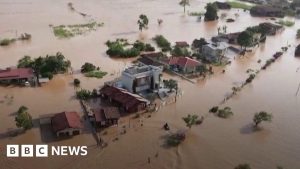
They mocked God during their Rio Carnival Parade and experienced a humongous flood after. Most people lost their lives.
God exist, trust in Him and worship Him alone and your life will be great. Amen

Click to comment

Leave a Reply

Your email address will not be published. Required fields are marked *

News

The New Evening Bus Initiative to Tackle Accra’s Rush Hour Woes

Published

on

The STC coaches to aid in decongestion.
Spread the love

The Ghanaian government launched an emergency transport measure to address the chronic evening rush-hour chaos in Accra, deploying additional buses on key routes to help commuters get home more reliably and affordably. This comes amid rising complaints about long queues, inflated fares by commercial drivers, and safety risks for those stranded after work.

Speaking to journalists in Parliament, Mr Bukari said the initiative forms part of an emergency response to growing public concerns about the scarcity of reliable evening transport across the capital. He explained that the Ministry, in collaboration with Intercity STC Coaches Limited, will redeploy long-distance buses that return to Accra early, assigning them to busy intra-city routes during rush hours.

“We are going to employ some buses commencing from today, 10th December,” he said. According to him, STC will make available buses that are not in use, ensuring that “those buses are available at the peak hours to support our commuters who have closed from work to get home safely.”

The initiative, announced by Transport Minister Joseph Nikpe Bukari, marks a quick-response collaboration between the Ministry of Transport and Intercity STC Coaches Limited, repurposing long-distance buses that return to the capital early for intra-city service.

Key Details of the Deployment

Routes Covered: Four high-demand corridors identified for their severe evening bottlenecks:

  • Accra–Madina–Adenta
  • Accra–Achimota–Amasaman
  • Accra–Mallam–Kasoa
  • Tema–Beach Road stretch
    • Bus Allocation: At least eight buses per route, operating specifically during peak evening hours starting from 4:30 p.m.
    • Immediate Goals: Reduce congestion, shorten wait times, enhance commuter safety, and prevent price gouging by informal operators like trotros (minibuses).
    • Expansion Plans: The Ministry aims to add more buses in the coming weeks to fully cover demand, ensuring “all our commuters [can get] home safely.”

This move is a band-aid for Accra’s broader urban transport crisis, where rapid population growth (the city now exceeds 2.4 million residents) has outpaced infrastructure. Informal trotros handle most daily commutes but often overload vehicles and exacerbate gridlock on arterial roads, where average speeds hover around 28 km/h. While longer-term solutions like Bus Rapid Transit (BRT) systems with dedicated lanes are under discussion, this deployment offers tangible relief starting right away.


Public Reaction and Context

The feedback from commuters and journalists highlights optimism, with many praising the government’s responsiveness to daily hardships. As of December 11, 2025, no major disruptions have been reported, and the service is already in effect. For those in Accra, this could mean smoother evenings—keep an eye on STC stations or the Ministry’s updates for real-time schedules. If you’re commuting in the area, consider checking the official STC ticketing site for fares and timings, though this is a no-fare, public-service rollout for now. What’s your take on Accra’s traffic—does this help, or is more needed?


Continue Reading

News

Ghana Police Probe Stalled in American Tourist’s Kidnapping Claim

Published

on

Ghana Police Service
Spread the love

The Ghana Police Service’s Criminal Investigations Department (CID) probe into the viral kidnapping allegation by American TikToker Arianna Naomi Mackey remains stalled, primarily due to her ongoing refusal to cooperate. No major breakthroughs have been reported since the CID’s December 9 statement, but diplomatic efforts are intensifying to compel her assistance.


Key Details of the Incident

  1. Claimant’s Identity: Arianna Naomi Mackey (known as Ari Mackey on TikTok, with ~34,000 followers), a U.S. citizen.
  2. Alleged Incident: Mackey claimed that on the night of December 6, 2025, she and her friends were stopped at a fake police checkpoint in Accra while in an Uber. Five masked men, allegedly posing as Ghana Police officers (in uniforms, driving a patrol vehicle with covered plates and no name tags), kidnapped her, robbed her of ~$400, and released her later.
  3. Initial Video: Posted on TikTok on December 7, 2025, it quickly went viral, raising alarms about tourist safety amid “Detty December” events. Similar unverified claims from other Black American visitors surfaced, prompting multi-agency scrutiny.

Status of the Investigation

  • Police Response: The CID initiated the probe on December 7, contacting Mackey via WhatsApp for specifics like alleged officers’ names, vehicle details, and her Ghanaian friend’s contact.
  • Stall in Probe: Timeline inconsistencies emerged early—Mackey and her two companions checked out of their Accra hotel on December 5, 2025, and airport records confirm she departed Ghana that same day, before the claimed incident date.
  • She has:
    • Deleted the video from TikTok.
    • Failed to provide any evidentiary details.
    • Blocked investigators on WhatsApp and social media.
    • Refused to share her friend’s contact, citing the friend’s unwillingness to participate.
      • Next Steps: The CID is now leveraging U.S. diplomatic channels for cooperation and has subpoenaed the unnamed Ghanaian friend for questioning. No evidence of actual police involvement has surfaced, and the probe is exploring potential fabrication or misinformation.
  • Chief Inspector Brigitte Babanawo, CID PRO, reiterated the service’s commitment to “uncovering the facts.”

Official Reassurances and Public Reaction

    • Ghana Tourism Authority (GTA): On December 8, CEO Maame Efua Houadjeto affirmed Ghana’s safety for the thousands of visitors during year-end festivities. The GTA noted enhanced security collaborations and urged calm, emphasizing that the matter is under “national security bodies.”
    • Widespread skepticism on socials claim “fake” or an “agenda” against Detty December tourism, citing the timeline mismatch, non-cooperation, and implausibility (e.g., masked officers without name tags).
    • Ghanaian actress Lydia Forson highlighted everyday police extortion but stressed the need for investigation without excusing exaggeration.
    • Skit-maker SDK Dele (via reposts) called it “disrespectful,” accusing Mackey of damaging Ghana’s image before fleeing.
    • Defenders of the claim point to Ghana Police’s corruption reputation (e.g., ranked highly corrupt in surveys), arguing it warrants scrutiny rather than dismissal.
    • Broader Context: This echoes other unverified videos of alleged extortion by imposters, leading to reviews of checkpoint protocols. No arrests or confirmations yet.

Latest Posts and Mentions on X (as of December 10, 2025) X chatter peaked on December 9, with over 1M impressions on police-related threads. Key recent activity (Latest mode, filtered for relevance):

@GhanaCrimes

  • (December 9, 11:20 GMT): Shared CID statement on non-cooperation; 260 likes, 61 reposts. “She’s trying to destroy everything good… Wei” – sparking debates on tourism sabotage.

@withAlvin__

  • (December 9, 09:47 GMT): Posted probe summary with images; 97 likes, 25 reposts. Users speculated on “paid content” motives.

@MacJordaN

  • (December 9, 15:04 GMT): Viral video thread (691 likes) claiming Mackey was “paid to film content painting Ghana as unsafe.”

@_GhChronicles

  • (December 9, 11:21 GMT): Update on diplomatic push; 419 likes, 79 reposts. Highlights friend’s refusal.

@Shejackiesays

  • (December 9, 11:33 GMT): News snippet on hampered probe; 4 likes. Focuses on Mackey’s departure timing

@GTATOURISMGH

The story’s trajectory hinges on diplomatic outcomes—could clarify if this was exaggeration, a hoax, or something more sinister.

Continue Reading

News

Ghana Immigration Clashes with US West African Deportees in Hotel Eviction

Published

on

GIS
Spread the love

The chaotic scenes erupted at the Vicsem Hotel in Ogbojo, a suburb of Accra, as Ghana Immigration Service (GIS) officers forcibly evicted over 20 West African nationals—deportees from the United States—leading to physical confrontations and at least one medical emergency.

The incident, captured in widely shared videos, highlights escalating tensions in Ghana’s role as a “third-country” landing point for U.S. deportations under a controversial bilateral agreement.

Deportees, many fearing return to unstable homelands, resisted relocation, with officers resorting to dragging some individuals across the floor amid pleas for mercy.

The agreement, announced in early October 2025 by Ghanaian President John Mahama, allows the U.S. to deport non-Ghanaian West Africans (primarily from Nigeria, Togo, Liberia, Sierra Leone, and The Gambia) to Ghana instead of their countries of origin, citing “pan-African empathy” and regional free movement protocols. No financial incentives are involved, but Ghana commits to temporary housing before onward transfers—often secretive and criticized as abandonment.

Deportees arrive shackled on U.S. military flights after U.S. immigration hearings, then face Ghanaian military camps with reported substandard conditions: limited healthcare, poor sanitation, and inadequate water.

Previous incidents have fueled outrage:

  • In late September 2025, a group of six deportees (five Nigerians and one Liberian) was moved from a Ghanaian camp under false pretenses of “better accommodation,” only to be secretly bused across the border to Togo and left near Lomé without passports, funds, or notification to Togolese authorities—allegedly after bribing local police.
  • A September lawsuit by U.S.-based lawyers represents 11 deportees, alleging rights violations including 16-hour flights in straitjackets, illegal detention, and family separations (e.g., leaving behind U.S.-born children and homes). Similar suits target Ghana for complicity.
  • Human rights groups decry the policy as a U.S. “dumping ground” tactic, evading direct repatriation to nations like Nigeria, which has rejected such returns over persecution fears (e.g., for activists tied to groups like the Yoruba Self-Determination Movement). Ghana’s opposition demands parliamentary ratification, warning of becoming a “transit hub for undesirables.”

The eviction aimed to relocate the group from the hotel—temporary quarters after initial camp stays—for final transfers home. Witnesses described a step-by-step escalation:

  1. Arrival and Resistance: GIS officers entered the hotel around midday, ordering immediate evacuation. Deportees, including long-term U.S. residents, protested, citing no family ties or safety in their origin countries.
  2. Confrontation: A Sierra Leonean woman, a registered nurse who lived in the U.S. for 35 years, begged officers: “I have no relatives in Sierra Leone—please let me stay in Ghana.” Her pleas were ignored, triggering an asthma attack.
  3. Use of Force: Videos show officers dragging her and others to the ground, with physical scuffles involving shoving and restraint. No arrests were reported, but the woman’s health scare prompted brief intervention; she received unspecified aid on-site.
  4. Outcome: Most deportees were loaded into vehicles for dispersal, though exact destinations remain unclear. No official GIS statement has been issued, but sources indicate the action aligns with the agreement’s repatriation timeline. The hotel, a modest facility, was secured post-incident.


Continue Reading

Trending

Copyright © 2024 KobbySmiles.